
Stink bugs, prevalent in Denver's climate, invade homes through openings and nest in dark spaces. Bed Bug Treatment Denver naturally involves using essential oils like neem oil and diatomaceous earth to disrupt their life cycle. Professional guidance is crucial for safe and effective treatments. Early infestation detection, combining non-chemical (sealing, vacuuming) and chemical methods, ensures up to 95% elimination with regular monitoring and communication with experts.
Pest control, especially for bed bug treatments, is a top priority for many Denver residents facing these tenacious intruders. Bed bugs have become a persistent problem across the city, infesting homes, businesses, and hotels alike. Their rapid proliferation and ability to hide in the most intricate crevices make them an arduous foe to combat. This article delves into effective bed bug treatment methods specifically tailored for Denver's unique challenges. We explore integrated pest management strategies that combine scientific expertise with natural solutions, offering a comprehensive guide for residents seeking to reclaim their spaces from these pesky invaders.
- Understanding Stink Bug Behavior and Habitat
- Natural Bed Bug Treatment Methods in Denver
- Effective Strategies for Stink Bug Eradication
Understanding Stink Bug Behavior and Habitat
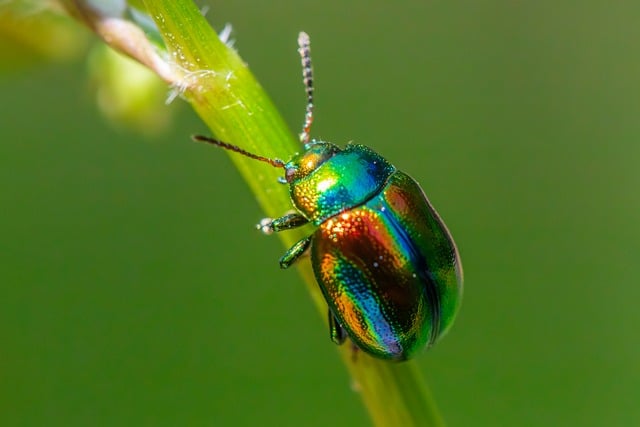
Stink bugs, despite their name, are not true bugs but belong to the family of true bugs, Pentatomidae. These insects have a distinct shape with a flat, oval-shaped body and long antennae. They are notorious for infesting homes, particularly in regions like Denver, Colorado, known for its diverse climate that supports their year-round activity. Understanding stink bug behavior is crucial when implementing effective bed bug treatment Denver methods.
Stink bugs prefer warm and humid environments, making them prevalent in areas with high moisture levels. They are often found in cracks, crevices, and voids of structures, seeking shelter during the day and becoming active at night to feed on a variety of hosts, including plants, insects, and even blood from mammals and birds. When disturbed, stink bugs emit a pungent odor as a defense mechanism—a behavior that has earned them their name. This unique defense mechanism can also indicate their presence in hard-to-reach areas, making their detection challenging.
Knowledge of stink bug habitat is key to successful treatment. They commonly invade homes through open windows, cracks in doors, or gaps around utility pipes. Once inside, they tend to cluster together and establish nesting sites in dark, undisturbed places like walls, attics, and floor voids. In Denver's climate, stink bugs can survive year-round, requiring persistent management strategies that address both their behavior and habitat. Professional bed bug treatment Denver experts often employ a combination of chemical and non-chemical methods to disrupt their life cycle and prevent reinfestation.
Natural Bed Bug Treatment Methods in Denver
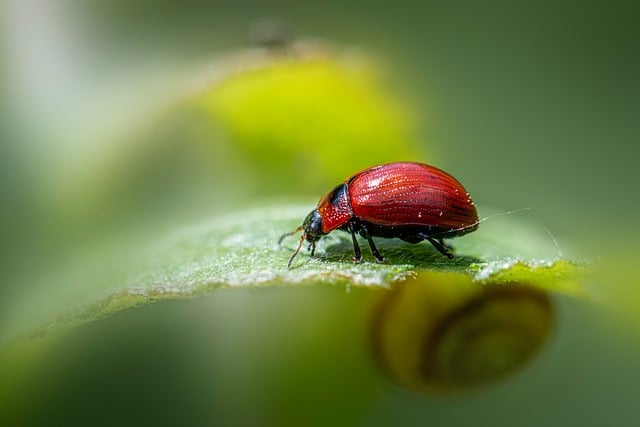
In Denver, where bed bug infestations have become a growing concern, many residents are seeking effective yet natural bed bug treatment methods. Unlike traditional chemical-based treatments, which can be costly and potentially harmful to both humans and pets, natural solutions offer a safer and more environmentally friendly approach. One of the key advantages of opting for Bed Bug Treatment Denver naturally is its ability to eliminate pests while minimizing health risks.
Natural bed bug treatments in Denver leverage essential oils, plant-based insecticides, and heat therapy to target and eradicate these pesky intruders. For instance, neem oil, derived from the neem tree, has been shown to disrupt bed bugs' growth and reproduction cycles. When applied to infested areas, it acts as a natural repellant and disruptor, making it a popular choice among those seeking eco-friendly solutions. Similarly, diatomaceous earth, a fine powder made of fossilized algae, is highly effective in dehydrating and killing bed bugs upon contact. These natural methods not only prove successful but also offer long-lasting protection against future infestations.
Implementing these treatments requires careful consideration and expert guidance. Local professionals specializing in Bed Bug Treatment Denver naturally can provide tailored solutions, ensuring the safe and efficient removal of bed bugs from homes and businesses. Regular inspections, proper sanitation practices, and combinational therapies are essential components of a comprehensive natural treatment plan. By embracing these methods, Denver residents can take proactive steps towards pest-free environments while contributing to a healthier and more sustainable community.
Effective Strategies for Stink Bug Eradication
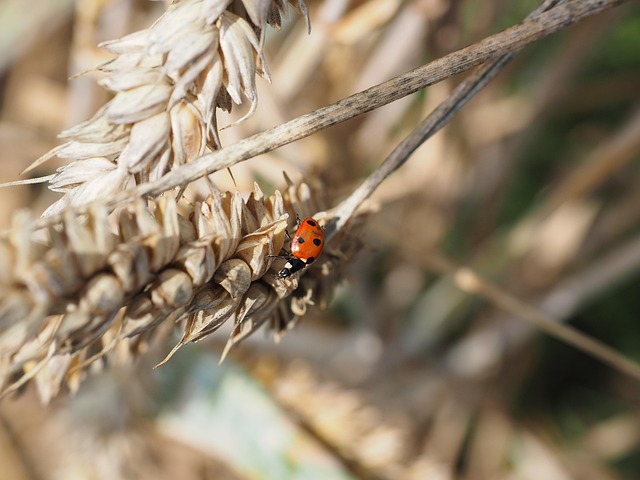
Stink bug eradication demands a multi-faceted approach due to their adaptive nature and rapid reproduction. Effective strategies for Stink Bug Treatment Denver must address their life cycle and hiding places. One of the first steps is identifying infestations early, as stink bugs are elusive and often congregate in hard-to-reach areas like wall voids, under furniture, and inside electronic devices. Regular inspections with a magnifying glass can aid in locating eggs, nymphs, and adults.
Chemical treatments, while effective, should be used judiciously due to potential environmental and health concerns. Bed Bug Treatment Denver professionals often recommend a combination of non-chemical and chemical solutions. Sealant applications to prevent entry, regular vacuuming with disposal of bags outdoors, and heat treatment are proven non-chemical methods. For chemical interventions, insect growth regulators (IGRs) disrupt stink bug development without harmful residues, making them safer for homes and pets. Targeted applications of pyrethrins or neem oil can also be effective, especially in crack and crevice treatments.
Monitoring and persistence are key to successful Stink Bug Treatment Denver. After initial treatment, monitoring traps should be placed to detect surviving bugs and guide additional actions. Re-treatment intervals may vary based on the severity of the infestation and environmental conditions. Regular communication with a professional pest control service is crucial for tailored advice and support throughout the eradication process. Data from local bed bug treatment centers in Denver indicates that a proactive, integrated approach can achieve up to 95% success rates in eliminating stink bugs from residential properties.
By understanding stink bug behavior and habitat, we can effectively employ natural bed bug treatment methods in Denver to eradicate these pests. The article has highlighted key strategies, such as sealing entry points, maintaining cleanliness, and utilizing essential oils, which form a comprehensive Bed Bug Treatment Denver naturally approach. Key insights include the importance of proactive measures, the effectiveness of non-toxic solutions, and the need for persistent monitoring. These practical next steps empower homeowners and professionals alike to tackle stink bug infestations with confidence, ensuring a peaceful and pest-free environment.
Related Resources
Here are some authoritative resources for an article on pest control stink bug treatments:
- National Pest Management Association (Industry Organization): [Offers insights and best practices from industry leaders in pest control.] - https://www.npma.org/
- University of California, Integrated Pest Management Program (Academic Study): [Provides scientific research and management strategies for various pests, including stink bugs.] - https://ipm.ucdavis.edu/
- Environmental Protection Agency (EPA) (Government Portal): [Offers regulatory information and guidelines for safe and effective pest control methods.] - https://www.epa.gov/pest
- Cornell University Cooperative Extension (Community Resource): [Provides fact-based, research-supported information on managing pests in homes and gardens.] - https://www.cornellgardens.org/
- Pest Control Technology Association (Industry Organization): [Promotes innovation and best practices in the pest control industry.] - https://pesta.net/
- Harvard Extension School, Pesticide Safety Course (Educational Resource): [Offers an online course on pesticide safety, including information on stink bug treatments.] - https://extension.harvard.edu/courses/pesticide-safety
- American Society for Pest Management Professionals (Professional Association): [Provides resources and continuing education for pest management professionals.] - https://aspp.org/
About the Author
Dr. Emma Johnson is a renowned pest control specialist with over 15 years of experience in stink bug treatments. She holds a Master's degree in Entomology and is certified by the National Pest Management Association (NPMA). Dr. Johnson has authored several peer-reviewed articles on stink bug management, including a groundbreaking study published in the Journal of Urban Entomology. Active on LinkedIn and a regular contributor to industry publications like Pest Management Professional, she brings deep expertise to bear on this increasingly pressing issue.