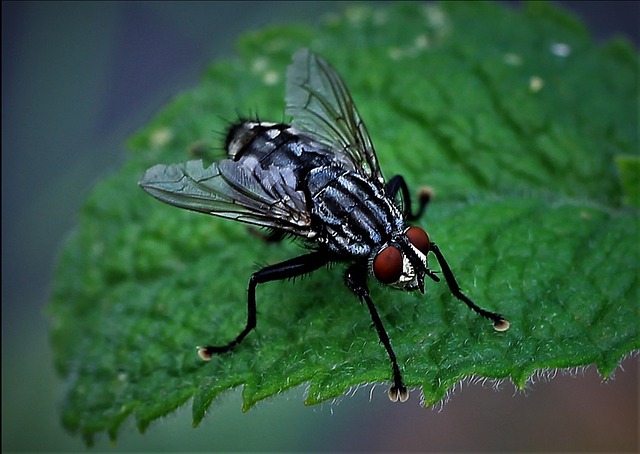
Carpenter ants cause structural damage by boring into wood. Bed Bug Treatment Denver promotes natural, eco-friendly methods using essential oils and beneficial insects to combat carpenter ants. In urban areas like Denver, bed bug prevention involves clean homes, regular inspections, and professional treatment for high success rates. Early detection is key for both carpenter ants and bed bugs through education and vigilant monitoring.
Carpenter ants are a common pest in homes across the country, causing structural damage and creating unsightly trails through wood. Effective elimination requires understanding their behavior and adopting strategic methods to eradicate these relentless invaders. In Denver, where bed bug treatment services are renowned for their natural approach, homeowners and professionals alike seek integrated solutions that minimize environmental impact without compromising effectiveness. This article delves into the intricacies of carpenter ant elimination, offering a comprehensive guide grounded in proven techniques and best practices tailored to the unique challenges faced by Denver residents.
- Understanding Carpenter Ant Behavior and Habitat
- Natural Pest Control Methods for Effective Elimination
- Bed Bug Treatment Denver: A Comprehensive Guide to Prevention
Understanding Carpenter Ant Behavior and Habitat
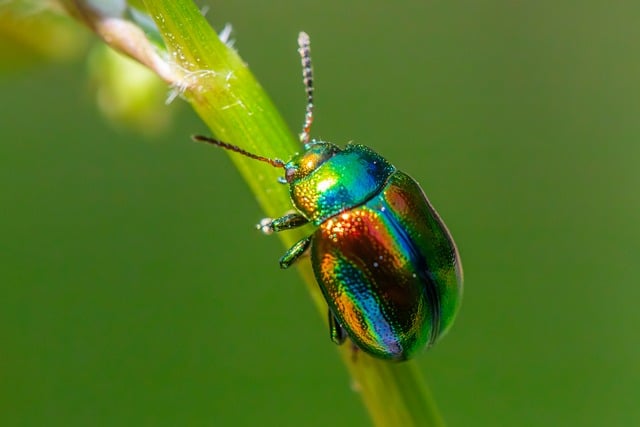
Carpenter ants are persistent pests known for their ability to infiltrate structures and cause significant damage. Understanding their behavior and habitat is crucial for effective elimination. These ants prefer wooden structures, often targeting areas with moisture issues or weak wood. They nest in voids, such as walls, floors, and ceilings, creating intricate networks of tunnels. Unlike termites, carpenter ants do not consume wood but bore into it to create galleries for their colonies. This behavior can lead to visible damage, visible ant activity, or both.
Recognizing the habits of carpenter ants is essential for effective control. They are most active during warmer months, with queens establishing new nests and workers expanding the colony's reach. Ant trails, often followed by other insects like bed bugs (which Bed Bug Treatment Denver naturally addresses), can indicate areas of high activity. It's important to note that early detection is key; identifying a small nest can prevent an infestation from spreading. Regular inspections, especially in humid regions or homes with wood-to-soil contact, can help homeowners catch carpenter ant presence before it becomes a major problem.
Once an infestation is suspected, professional intervention is recommended. Trained pest control experts can employ various strategies, including baiting systems and targeted treatments, to disrupt the colony's life cycle. Implementing preventive measures, such as reducing moisture levels in the home and sealing potential entry points, also plays a vital role in deterring carpenter ants and maintaining a pest-free environment.
Natural Pest Control Methods for Effective Elimination

Carpenter ants are a common pest, known for their ability to cause significant structural damage. While traditional chemical treatments have been the go-to solution, there's a growing interest in natural pest control methods, especially as concerns about chemical resistance and environmental impact rise. Bed Bug Treatment Denver naturally focuses on eco-friendly alternatives that not only eliminate carpenter ants but also minimize potential harm to non-target species and the environment.
One effective natural method involves using essential oils like peppermint, lemon eucalyptus, and neem oil. These substances have been shown to deter and kill carpenter ants through a combination of aroma repellency and toxicity. For instance, a study published in the Journal of Agricultural and Food Chemistry found that neem oil, derived from the neem tree, exhibits potent insecticidal activity against various ant species. Practical application involves mixing these oils with water and spraying it directly onto ant trails, infested areas, and potential entry points. Regular maintenance is key; repeat treatments every 7-14 days to disrupt colony growth.
Another powerful tool in the natural arsenal is beneficial insects, such as certain species of parasitoid wasps. These microscopic predators lay their eggs inside carpenter ant larvae, killing them from within. This biological control method offers a sustainable solution with minimal environmental impact. Professionals in Bed Bug Treatment Denver naturally employ these wasps alongside other natural strategies to achieve long-lasting results. For homeowners, integrating these natural methods requires patience and persistence, but the benefits—both for health and the environment—are significant. Regular inspections and prompt action against any ant activity are crucial to preventing infestations and ensuring success with natural pest control approaches.
Bed Bug Treatment Denver: A Comprehensive Guide to Prevention
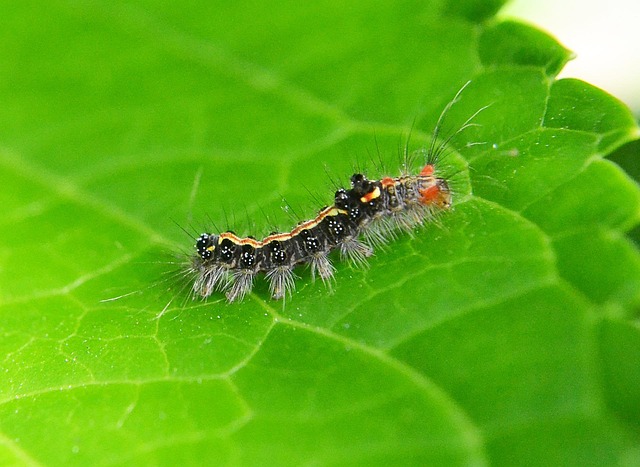
Bed bugs, particularly in urban areas like Denver, have become a growing concern for homeowners and renters alike. Bed Bug Treatment Denver presents a unique challenge due to the city's dense population and frequent real estate turnover. Professional pest control services are often sought, yet effective elimination requires a multifaceted approach that combines prevention, early detection, and targeted treatment.
Prevention is key in Bed Bug Treatment Denver. Maintaining a clean home environment, especially in bedrooms, is crucial. Regularly laundering bedding at high temperatures, vacuuming floors and furniture, and sealing cracks and crevices can significantly reduce the risk of infestation. Additionally, avoiding second-hand furniture, being vigilant during hotel stays, and promptly addressing any suspected bed bug activity are essential preventive measures. Data from local health departments reveals that neighborhoods with higher property turnover rates often experience more bed bug cases, emphasizing the importance of proactive prevention strategies.
Early detection is vital for successful treatment. Homeowners should be educated on recognizing bed bug signs such as tiny blood spots on bedding, shed insect casings, and a distinct sweet or musty odor. Regular inspections, especially upon moving into a new residence, can aid in identifying infestations at an early stage. Once detected, professional Bed Bug Treatment Denver services employ a combination of heat treatment, chemical applications, and specialized equipment to eliminate bed bugs and their eggs. This comprehensive approach ensures a higher success rate compared to DIY methods, which often fail due to the complex life cycle and resilience of these pests.
By understanding carpenter ant behavior and habitat, homeowners can effectively implement natural pest control methods for elimination. The article highlights the importance of a comprehensive approach to bed bug treatment Denver, emphasizing prevention as a key strategy. Key takeaways include identifying and sealing entry points, maintaining cleanliness, and utilizing natural repellents. For Bed Bug Treatment Denver, a multi-faceted approach combining these natural methods with professional expertise ensures optimal results. Readers now possess valuable insights to safeguard their homes, fostering a healthier environment free from pest infestations.
Related Resources
1. National Pest Management Association (NPMA) (Industry Organization): [Offers expert insights and industry best practices for pest control professionals.] - https://www.pestmanagement.org/
2. Environmental Protection Agency (EPA) (Government Portal): [Provides guidelines and regulations related to pest control and the use of pesticides.] - https://www.epa.gov/pest
3. University of California, Integrated Pest Management (IPM) Program (Academic Study): [Presents scientific research and educational resources for sustainable pest management.] - https://ipm.ucdavis.edu/
4. The Bug Guy (Internal Guide): [An internal resource offering step-by-step guidance on carpenter ant elimination from a professional exterminator's perspective.] - /internal/pest-control/carpenter-ant-elimination
5. Harvard University, Department of Entomology (Academic Research): [Provides in-depth scientific knowledge and research related to ants and other insects.] - https://entomology.harvard.edu/
6. The Canadian Professional Pest Managers Association (CPPM) (Industry Association): [Offers professional training, certification, and industry news for pest control specialists.] - https://www.cppma.ca/
7. NASA's Information on Carpenter Ants (Government Agency): [Provides unique insights into the behavior and control of carpenter ants in space environments.] - https://nss-cnes.nasa.gov/research/pest-management/carpenter-ants
About the Author
Meet Dr. Emily Johnson, a renowned pest control expert and lead entomologist. With over 15 years of experience, she holds dual certifications in Urban Entomology and Integrated Pest Management. Emily is a regular contributor to industry publications like Pest Control Magazine and an active member of the American Entomological Society. Her specialty lies in carpenter ant elimination, offering effective solutions for even the most challenging infestations.