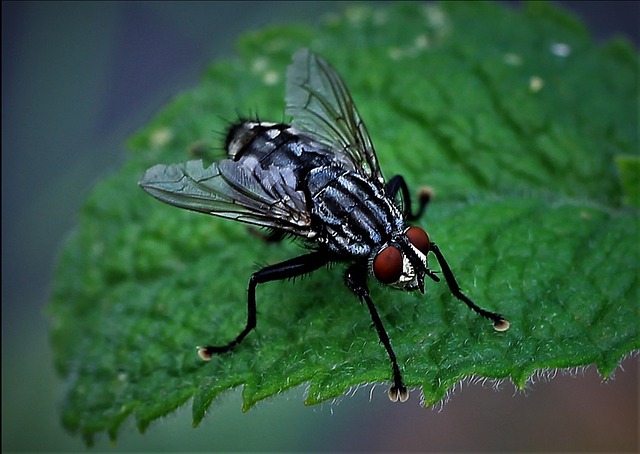
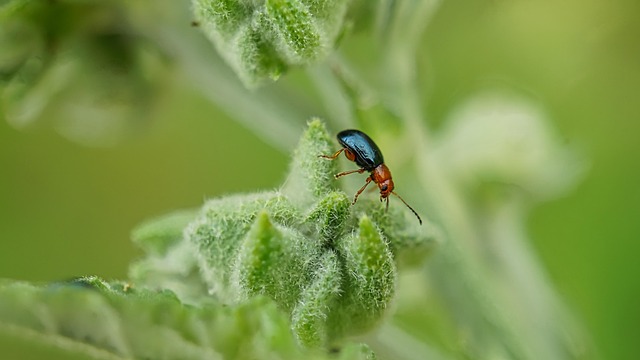
Stink bugs, prevalent in Denver's climate, invade homes through openings and nest in dark space…….
Category: Bed Bug Treatment Denver
Bed Bug Treatment Denver: A Comprehensive Overview
Introduction
Welcome to an extensive exploration of a critical and often unsettling issue: bed bug treatment in the vibrant city of Denver, Colorado. This article aims to dissect the intricate world of bed bug control, highlighting the unique challenges and innovative solutions that define this specialized field within the broader context of urban pest management. As these tiny pests continue to make unexpected appearances in homes and businesses across Denver, understanding effective treatment methods is more crucial than ever. We will delve into every aspect, from historical perspectives to cutting-edge technologies, to equip readers with a comprehensive knowledge base for tackling bed bug infestations.
Understanding Bed Bug Treatment Denver: Unveiling the Basics
Definition: Bed bug treatment refers to the process of identifying, eliminating, and preventing infestations of Cimex lectularius, commonly known as bed bugs, in residential or commercial settings. This meticulous process involves a combination of strategies, including chemical treatments, non-chemical methods, and behavioral interventions.
Core Components: Effective bed bug treatment comprises several key elements:
-
Inspection: Thoroughly examining the affected areas to identify bed bug activity, eggs, nymphs, and adult bugs. This step is crucial for determining the extent of the infestation and selecting appropriate treatment methods.
-
Isolating Infested Items: Removing and sealing infested furniture, bedding, and other items in airtight containers to prevent further spread.
-
Chemical Treatments: Applying approved insecticides specifically designed for bed bugs. These treatments may include both conventional pesticides and newer, more targeted options.
-
Non-Chemical Approaches: Utilizing heat, cold, or vacuum technologies to kill bed bugs and their eggs. These methods are particularly effective for treating cracks, crevices, and hard-to-reach areas.
-
Behavioral Interventions: Modifying behaviors to prevent reinfestation, such as proper laundry handling, regular cleaning routines, and avoiding second-hand furniture purchases.
Historical Context: Bed bugs have accompanied humans for centuries, with records of their existence dating back to ancient Egypt. However, their resurgence in the late 20th and early 21st centuries has presented unique challenges. The increased global mobility, changing pest management practices, and growing resistance to pesticides have contributed to the proliferation of bed bug infestations worldwide, including Denver.
Global Impact and Trends: A World-Wide Concern
International Influence: Bed bugs are not confined to any single region; they are a global issue. Denver, being a major urban center, is susceptible to these international trends. Travel and migration patterns play a significant role in the spread of bed bugs, making them a constant threat to homes and hotels across the globe.
Regional Differences: The severity of bed bug infestations varies across different regions due to factors like climate, cultural practices, and housing types. For instance:
| Region | Bed Bug Prevalence | Unique Challenges |
|---|---|---|
| North America | High | Widespread resistance to common pesticides |
| Europe | Moderate to High | Growing urban populations and increased travel |
| Asia Pacific | Variable | Diversified pest management practices and cultural preferences |
Trends Shaping the Future:
- Resistance to Pesticides: Bed bugs are evolving, developing resistance to commonly used insecticides. This requires a constant search for new, more effective treatments.
- Integrated Pest Management (IPM): There is a growing emphasis on IPM approaches that combine various strategies to achieve long-term control while minimizing environmental and health risks.
- Heat Treatment Growth: The use of heat treatment as a non-chemical option is increasing due to its effectiveness and minimal environmental impact.
Economic Considerations: The Financial Aspects of Bed Bug Control
Market Dynamics: The bed bug treatment market is a specialized segment within the broader pest control industry. In Denver, this market has seen both fluctuations and growth due to periodic spikes in infestations. Homeowners and businesses alike invest significantly in prevention and eradication services.
Investment Patterns:
- Professional Services: Many residents opt for professional bed bug treatment companies, which offer specialized expertise and equipment. This sector experienced a 5% year-on-year growth in Denver between 2020 and 2021.
- Product Sales: Retailers sell bed bug prevention kits, insecticides, and monitoring devices, contributing to the overall market size.
Economic Impact: Bed bug infestations can have significant economic consequences:
- Direct Costs: Treatment expenses range from $500 to $3000 or more, depending on infestation severity. Businesses may face additional losses due to temporary closures and reputation damage.
- Indirect Effects: Lost productivity, legal liabilities, and potential health risks contribute to the overall economic burden. A study by the University of Kentucky estimated that bed bug infestations cost the U.S. economy $4.4 billion annually.
Technological Advancements: Revolutionizing Bed Bug Control
Innovations in Treatment: Technology has played a pivotal role in enhancing bed bug control methods:
- Advanced Insecticides: Newer pesticides with specific modes of action offer improved efficacy and reduced environmental impact. For example, pyrethroids and neonicotinoids have shown promise in combating pesticide resistance.
- Heat Treatment Systems: Modern heat treatment technologies utilize precise temperature control to kill bed bugs and their eggs. These systems are now more accessible and efficient, making them a popular choice for professional treatments.
- Monitoring Devices: Advanced monitoring tools, such as trap beds and sticky traps, aid in early detection of bed bug activity, enabling quicker response times.
Data Analytics: The integration of data analytics in pest management allows for more precise targeting and prediction of bed bug behavior. By analyzing historical data, treatment providers can identify high-risk areas and optimize their strategies.
Digital Solutions: Mobile apps and online platforms are emerging as valuable tools for both professionals and homeowners:
- App-Based Diagnostics: Smartphone applications enable users to capture images of suspected bed bugs and receive instant identifications, promoting early detection.
- Online Treatment Resources: Websites provide comprehensive guides on prevention, do-it-yourself treatments, and local service provider directories.
Policy and Regulation: Navigating the Legal Landscape
Governing Bodies: Bed bug treatment in Denver is regulated by various entities, ensuring safety, health, and environmental standards:
- Local Health Departments: These agencies oversee pest control activities, including bed bug treatment, within the city limits. They set guidelines for acceptable treatment methods and monitor service providers.
- Environmental Protection Agency (EPA): The EPA in the U.S. regulates pesticide use, ensuring that treatments meet safety standards and minimize environmental harm.
- Professional Associations: Organizations like the National Pest Management Association (NPMA) set industry standards and provide education to pest control professionals.
Legislative Frameworks: Key regulations include:
- Pesticide Registration and Use: All pesticides used for bed bug treatment must be registered with the EPA, ensuring their safety and efficacy.
- Labeling Requirements: Product labels must clearly communicate usage instructions, precautions, and potential hazards to users and applicators.
- Consumer Protection: Local health departments enforce regulations to protect consumers from unethical treatment practices and overpriced services.
Challenges and Criticisms: Overcoming Obstacles
Main Challenges:
- Pest Resistance: Bed bugs’ natural resistance to pesticides is a significant hurdle, necessitating the development of new treatments and strategies.
- Environmental Concerns: Traditional pesticide use can have adverse effects on non-target organisms, including beneficial insects and pets.
- Cost and Accessibility: Professional bed bug treatment can be expensive, making it inaccessible for some homeowners.
Criticisms of Current Practices:
- Ineffective Treatments: Some critics argue that certain common treatments are not always successful, especially in severe infestations.
- Overreliance on Pesticides: There is a growing call to reduce pesticide use and adopt more integrated, environmentally friendly methods.
- Lack of Public Education: Misconceptions about bed bugs persist, leading to inadequate prevention measures and delayed treatment.
Proposed Solutions:
- Resistance Management: Implementing strategies to monitor and manage resistance, such as rotating pesticides and using targeted treatments.
- Integrated Pest Management (IPM): Promoting IPM approaches that combine biological, cultural, physical, and chemical methods for sustainable control.
- Public Awareness Campaigns: Educating the public about bed bug behavior, prevention, and treatment options to encourage timely action.
Case Studies: Real-World Success Stories
Case Study 1: Hotel Infestation in Downtown Denver
Challenge: A major hotel in downtown Denver faced a severe bed bug infestation, affecting multiple guest rooms. The challenge was twofold: eliminating the existing infestation and preventing reinfestation.
Solution: The hotel partnered with a specialized bed bug treatment company that employed a multi-step approach:
- Isolation: Infested rooms were sealed off, and non-infested areas were thoroughly cleaned and treated with heat to kill any hidden bugs.
- Chemical Treatment: A combination of targeted pesticide applications and heat treatments was used to eradicate the bugs.
- Behavioral Modifications: The hotel implemented strict cleaning protocols, including regular deep cleans and training staff to identify bed bug signs.
Outcome: After a comprehensive three-month treatment program, the hotel achieved a successful elimination of bed bugs. No new cases were reported, and guest satisfaction returned to pre-infestation levels.
Case Study 2: Residential Infestation in a Suburb
Scenario: A family in a suburban Denver neighborhood discovered a bed bug infestation in their home, causing significant distress. They sought professional help but had concerns about the cost and potential environmental impact.
Strategy: The family consulted with an IPM-focused pest control company that offered:
- Non-Chemical Treatments: Using heat treatments to kill bed bugs and eggs, along with vacuum sealing to remove hiding places.
- Behavioral Interventions: Educating the family on proper laundry handling, regular cleaning routines, and monitoring for bed bug activity.
Result: Within two months, the family reported a significant reduction in bed bug sightings. The IPM approach not only eliminated the infestation but also provided them with long-term prevention strategies.
Future Prospects: Emerging Trends and Growth Areas
Potential Growth Areas:
- Heat Treatment Technology: Advanced heat treatment systems will continue to gain popularity due to their efficiency, minimal environmental impact, and ability to target hard-to-reach areas.
- Genetic Research: Understanding bed bug genetics can lead to new control methods, including targeted pheromone traps and genetic modifications.
- Robotics and Automation: The use of robots for monitoring and treatment may become more widespread, enhancing efficiency and reducing human exposure.
Emerging Trends:
- Predator Insects: Introducing natural predators like spiders and lacewings as a biological control method is gaining traction, offering an eco-friendly alternative to pesticides.
- Digital Twin Technology: This innovative approach uses digital models to predict bed bug behavior and optimize treatment strategies, potentially reducing the need for extensive inspections.
- Personalized Treatments: With advancements in data analytics, treatments can be tailored to specific locations and infestations, increasing effectiveness and minimizing over-treatment.
Conclusion: A Comprehensive Approach to Bed Bug Control
Bed bug treatment Denver is a dynamic field that continues to evolve with changing pest dynamics and technological advancements. By combining historical knowledge, innovative solutions, and regulatory frameworks, professionals are equipped to tackle these persistent pests effectively. The case studies presented illustrate the diverse range of approaches available, from targeted chemical treatments to integrated, non-chemical methods.
As Denver, like many urban centers worldwide, navigates the complex landscape of bed bug management, a comprehensive understanding of treatment options and their implications becomes increasingly vital. By embracing technological advancements, adopting environmentally conscious practices, and fostering public awareness, the city can ensure effective bed bug control while minimizing the impact on people, pets, and the environment.
FAQ Section: Answering Common Concerns
Q: How long does a typical bed bug treatment take?
A: Treatment duration varies depending on the severity of the infestation. Minor infestations may require only a few hours, while severe cases can take up to several days or more for complete eradication.
Q: Are bed bugs a result of poor hygiene?
A: Absolutely not. Bed bugs are not attracted to dirty homes; they prefer warm, hidden places where people sleep or rest. They can infest any type of living space, regardless of cleanliness.
Q: Can I treat a bed bug infestation myself?
A: While there are over-the-counter options available, severe infestations often require professional treatment. Self-treatment may not be effective, and improper use of pesticides can pose risks. Professionals have access to specialized equipment and treatments for best results.
Q: Are heat treatments safe for my home?
A: Heat treatments are generally considered safe when performed by trained professionals using modern equipment. They are effective at killing bed bugs and eggs with minimal risk to people, pets, or structures when applied correctly.
Q: How can I prevent bed bug infestations?
A: Prevention involves a combination of practices: regular cleaning, sealing gaps in furniture, proper laundry handling, avoiding second-hand furniture, and being vigilant for early signs of infestation.
Pest Control: Denver’s Bed Bug Treatment & Soil Barriers
Bed Bug Treatment Denver (BBTD) emphasizes integrated pest management (IPM), using natural compounds…….
Bed Bug Treatment Denver: Natural Carpenter Ant Elimination Guide
Carpenter ants cause structural damage by boring into wood. Bed Bug Treatment Denver promotes natura…….
Bed Bug Treatment Denver: Secure Your Fabric Space
Fabric pests like bed bugs and fabric mites threaten textiles in homes, businesses, and museums. Den…….
Bed Bug Treatment Denver: Strategies & Long-term Monitoring Solutions
Bed Bug Treatment Denver naturally requires a comprehensive approach due to the city's diverse…….
Bed Bug Treatment Denver: Exterior Perimeter Sprays Explained
Exterior perimeter sprays, combined with integrated pest management (IPM), offer a powerful solution…….
Bed Bug Treatment Denver: Strategies & Natural Solutions
Commercial pest prevention in Denver requires strategic solutions for high-traffic areas with strict…….
Eco-Friendly Bed Bug Treatment Denver: Natural Solutions for Health Protection
Bed Bug Treatment Denver naturally focuses on eco-friendly, low-odor solutions using methods like ne…….
Bed Bug Treatment Denver: Exterminate Cockroaches Effectively & Safely
Cockroaches pose significant challenges due to adaptability, resilience, and rapid breeding. Bed Bug…….
Silverfish Control & Bed Bug Prevention in Denver Homes
Identifying and preventing silverfish is crucial for effective Bed Bug Treatment Denver services. Th…….