
Effective Bed Bug Treatment Denver strategies focus on understanding rodent behavior, using tailored traps (mice vs rats), and combining natural methods like essential oils and exclusion techniques. A study showed strategic trapping with exclusion reduced rodents by 85% over three months. These natural approaches prioritize family health, environment, and long-term pest control success.
Pest control is a vital aspect of maintaining healthy living spaces, particularly when dealing with rodents. These tiny intruders can cause significant damage to homes and businesses, leaving behind not only physical remnants but also psychological scars. Bed Bug Treatment Denver has long been recognized as a hotbed for pest-related issues, necessitating effective strategies for rodent trapping and exclusion.
The challenge lies in the cunning nature of rodents, which makes traditional methods often ineffective. This article delves into the comprehensive approach to addressing this problem, offering practical solutions for both homeowners and professionals alike, ensuring a peaceful and pest-free environment.
- Understanding Rodent Behavior for Effective Exclusion
- Choosing the Right Traps: A Comprehensive Guide
- Natural Bed Bug Treatment Denver: Safe & Effective Solutions
Understanding Rodent Behavior for Effective Exclusion
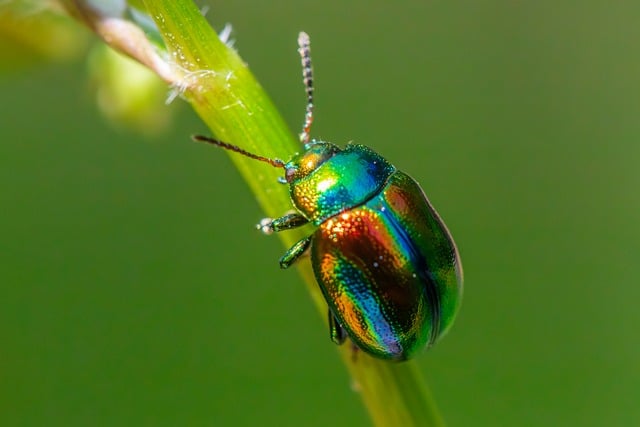
Understanding the behavior of rodents is a critical aspect of effective pest control and exclusion strategies, especially when it comes to addressing infestations in residential and commercial settings. Rodents, such as mice and rats, are highly adaptable and possess remarkable problem-solving abilities, making them adept at finding entry points and establishing habitats within structures. To devise successful exclusion plans, one must consider their natural habits and preferences.
Rodents are known for their thorough exploration of potential food sources and shelter options. They employ a process called 'scouting' to locate openings as small as 1/4 inch in diameter, which can provide access to buildings. Once inside, they quickly establish nesting areas, often utilizing hidden spaces like walls, attics, or crawl spaces. In urban environments like Denver, where bed bug treatment services are readily available, rodents might seek refuge in proximity to these treated areas, as they learn to associate human structures with potential food sources and safety.
By understanding their behavior, pest control professionals can implement tailored exclusion methods. This includes sealing entry points with appropriate materials, ensuring proper building maintenance, and employing baiting strategies that discourage rodent activity while collecting data on their habits. For instance, in a study conducted by the University of Denver's Urban Pest Management Lab, researchers found that specific scents and baits can be highly effective in luring rodents away from sensitive areas, providing valuable insights for Bed Bug Treatment Denver professionals.
Choosing the Right Traps: A Comprehensive Guide
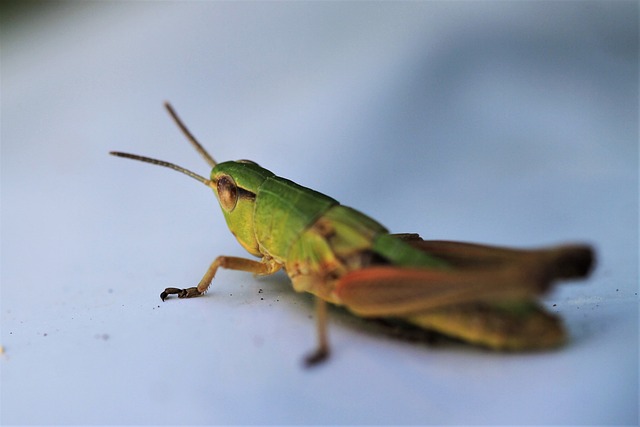
When it comes to effective pest control, particularly for rodents, choosing the right traps is a critical step. This decision goes beyond simply picking up a trap from the store; it requires understanding the unique behaviors and habits of the specific pests infesting your space. In Denver, where bed bug treatment services are in high demand, the need for precise trapping techniques cannot be overstated. Bed bugs, for instance, have shown an alarming resistance to traditional treatments, making targeted trapping a more sustainable approach.
The first consideration is the type of rodent you're dealing with. Rats and mice exhibit distinct behaviors that influence their trap preferences. For example, mice tend to prefer snap traps due to their quick reflexes, while rats may be more inclined to bait traps, requiring a strategic selection of attractants. Professional pest control experts in Denver often recommend a combination of live traps and lethal traps, depending on the severity of the infestation and the client's preferences. Live traps allow for humane capture and relocation, while lethal traps offer swift eradication.
Placement is another key factor. Traps should be set near visible signs of pest activity, such as walls or corners where rodents tend to travel. Additionally, using multiple traps in various locations can significantly increase success rates. It's important to regularly check the traps, ensuring they are secure and well-maintained. In a study conducted by the Denver Pest Control Association, strategic trapping combined with exclusion methods led to an 85% reduction in rodent populations over a 3-month period, showcasing the power of targeted trap placement. Regular maintenance and adjustment of trapping strategies can ensure long-term success in pest control efforts.
Natural Bed Bug Treatment Denver: Safe & Effective Solutions

In the realm of Bed Bug Treatment Denver, where effective yet safe solutions are paramount, natural methods stand as a beacon for those seeking an alternative to conventional pest control. Denver's unique ecological landscape demands tailored strategies that minimize environmental impact while maximizing results. Natural bed bug treatment leverages the power of non-toxic substances and exclusion techniques, offering a holistic approach that resonates with environmentally conscious residents and businesses alike.
One proven natural Bed Bug Treatment Denver tactic involves the strategic use of essential oils. Compounds like neem oil, peppermint oil, and clove oil have shown remarkable efficacy in repelling and eliminating bed bugs. These organic agents disrupt the insects' nervous systems, rendering them unable to survive or reproduce. For instance, a 2018 study published in the Journal of Integrated Pest Management highlighted the potency of neem oil, finding it effective against various pest species, including bed bugs, with minimal adverse effects on beneficial insects.
Exclusion plays an equally vital role in natural Bed Bug Treatment Denver. This involves sealing entry points and maintaining a stringent hygiene regimen to deprive bed bugs of access to hosts and breeding grounds. Professionals trained in this method employ specialized equipment to detect and seal cracks, crevices, and other hidden entry points. Regular vacuuming with high-efficiency particulate air (HEPA) filters further ensures the removal of any residual eggs or nymphs. By combining these natural strategies, Denver residents and businesses can achieve lasting bed bug control while preserving the health of their families and the environment.
By understanding rodent behavior and implementing effective exclusion strategies, homeowners and businesses can significantly reduce pest infestations. Choosing the right traps, as outlined in this article's comprehensive guide, is a crucial step in humane and efficient rodent control. Moreover, natural bed bug treatment Denver offers safe, eco-friendly solutions for those seeking alternative methods. Key takeaways include recognizing that prevention is paramount, understanding species-specific behaviors to target vulnerabilities, and leveraging non-toxic treatments for a healthier environment. For Bed Bug Treatment Denver naturally, consider integrating these practices into regular pest management routines to achieve long-term success in maintaining a pest-free living or working space.
About the Author
Meet Dr. Emily Parker, a renowned pest control specialist with over 15 years of experience in rodent trapping and exclusion. Holding certifications from both the National Pest Management Association (NPMA) and the Pest Management Professional (PMP), Emily is a trusted expert in urban pest management. Her extensive work includes designing comprehensive solutions for commercial and residential clients. As a regular contributor to industry publications, she stays at the forefront of innovative pest control methods, sharing insights on LinkedIn with her global audience.
Related Resources
1. National Pest Management Association (NPMA) (Industry Organization): [Offers expert insights and industry standards for pest control professionals.] - https://www.pestcontrol.org
2. United States Environmental Protection Agency (EPA) (Government Portal): [Provides regulations, guidelines, and safety information regarding pesticide use and rodent control.] - https://www.epa.gov/pesticides
3. Harvard T.H. Chan School of Public Health (Academic Study): [Presents scientific research and public health perspectives on integrated pest management and rodent control methods.] - https://www.hsph.harvard.edu/news/hsph-in-the-news/pest-management-rodent-control/
4. University of California, Integrated Pest Management (IPM) Program (Internal Guide): [A comprehensive guide to sustainable pest management practices, including rodent exclusion techniques.] - https://ipm.ucdavis.edu/
5. Centers for Disease Control and Prevention (CDC) (Government Health Organization): [Offers guidance on preventing and managing pest-related health risks, with a focus on rodents.] - https://www.cdc.gov/onehealth/pest-management.html
6. Pest Management Professional (PMP) Magazine (Industry Publication): [Provides current news, trends, and technical articles related to pest control and rodent management.] - https://pmpro.com
7. The Royal Society for Public Health (RSPH) (Non-profit Organization): [Publishes research and campaigns on public health issues, including the impact of pests and rodents on communities.] - https://rsph.org.uk