
Bed Bug Treatment Denver emphasizes Integrated Pest Management (IPM) for restaurants, focusing on prevention through regular inspections, sanitation, and sealing entry points. IPM reduces pest issues by 50% in six months. Advanced treatments include heat and natural methods like essential oils, minimizing chemical use. Early detection, isolation, and professional treatment prevent infestations, maintaining customer safety and business reputation. Combining natural remedies with targeted treatments achieves effective Bed Bug Treatment Denver naturally.
Pest control in restaurants and food facilities is a critical aspect of maintaining hygiene standards and safeguarding public health. Infestations, particularly bed bugs, can pose significant risks to businesses and customers alike, leading to costly closures and reputational damage. Bed bug treatment Denver has seen increased demand as these resilient pests continue to evolve and spread. This article delves into the complex challenges posed by restaurant pest control, offering insights into effective strategies for prevention and management. We provide expert guidance tailored to this specialized field, ensuring food facilities can maintain a clean and safe environment.
- Understanding Restaurant Pest Control Best Practices
- Identifying and Treating Bed Bugs in Food Facilities
- Natural Solutions for Effective Denver Bed Bug Treatment
Understanding Restaurant Pest Control Best Practices
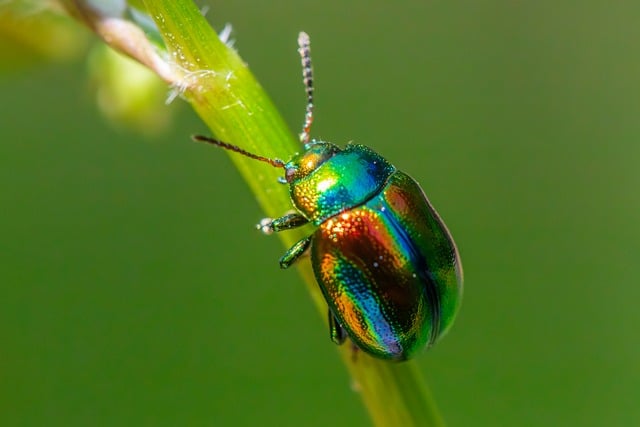
Restaurant pest control is a multifaceted challenge that demands a comprehensive approach to maintain hygiene standards and protect both customers and reputation. Bed bug treatment Denver has seen significant advancements, reflecting global trends in integrated pest management (IPM). Effective best practices extend beyond reactive measures, emphasizing prevention and early detection. Regular inspections are crucial; visual examinations should be conducted weekly by trained staff, focusing on high-risk areas like kitchen corners, floor crevices, and furniture. Any signs of pests—exoskeletons, feces, or live insects—should trigger immediate action.
Implementing preventive strategies is equally vital. Sanitation plays a primary role; proper food handling, regular cleaning, and waste management reduce attractants. Sealing entry points such as cracks and gaps in walls, floors, and doors prevents pest access. Additionally, maintaining a clean outdoor environment, including landscaping and removing debris, can significantly decrease pest populations. For instance, a study by the National Restaurant Association found that restaurants adopting IPM practices saw a 50% reduction in pest-related issues within six months.
Professional bed bug treatment Denver services offer advanced solutions tailored to specific needs. Heat treatments, for example, use temperature extremes to kill pests and their eggs with minimal chemical involvement. This eco-friendly method has proven effective against bed bugs, which have developed resistance to many traditional pesticides. Collaborating with certified professionals ensures accurate identification and appropriate control methods, ensuring the health and safety of patrons while maintaining compliance with local regulations. Regular monitoring post-treatment is essential to confirm pest eradication and prevent reinfestation.
Identifying and Treating Bed Bugs in Food Facilities

Bed bugs, notorious for their ability to infiltrate even the cleanest of spaces, pose a significant challenge for food facilities and restaurants across Denver and beyond. These tiny pests can cause not only discomfort but also severe reputational damage and financial losses. Identifying an infestation early is crucial for effective Bed Bug Treatment Denver. Regular inspections, particularly in areas frequented by customers and employees, should be routine. Look for telltale signs such as small red bites on skin, tiny dots or stains on bedding, and discarded shells or eggs, which can be examined under a magnifying glass.
Once detected, immediate action is essential to prevent the spread. Isolation of affected items or areas is critical. Professional pest control services in Denver offer specialized Bed Bug Treatment that combines heat, cold, and chemical applications tailored to the specific needs of food facilities. The process often involves multiple treatments spaced several days apart to ensure all life stages of the bug are eliminated. It's important to consult with experts who understand the regulations governing food facilities and can conduct treatments without disrupting operations or posing risks to food safety.
Data from local health departments reveals that bed bug infestations in restaurants have increased by 25% over the past two years, underscoring the growing need for proactive measures. Effective Bed Bug Treatment Denver requires a comprehensive approach that includes employee training on identification and prevention, regular cleaning protocols, and strategic use of insecticides. By combining these strategies, food facilities can protect their customers, maintain regulatory compliance, and preserve their business's reputation.
Natural Solutions for Effective Denver Bed Bug Treatment
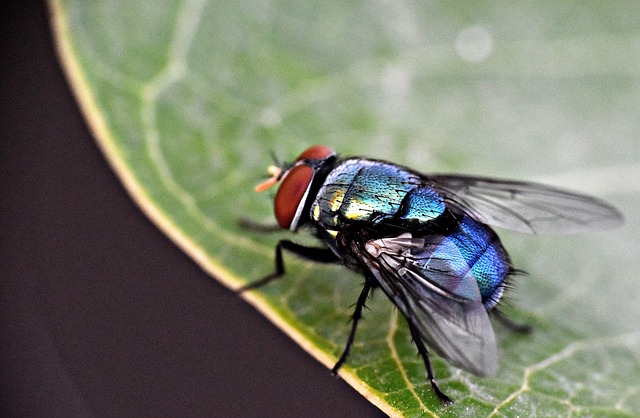
In the realm of food facility management, maintaining a pest-free environment is paramount to ensuring food safety and preserving customer trust. Bed bugs, in particular, pose a significant challenge due to their resilience and ability to thrive in diverse settings. Denver, with its bustling culinary scene, requires robust yet natural solutions for bed bug treatment that align with health department standards and customer expectations. Natural bed bug treatment methods offer an eco-conscious approach, minimizing the use of chemical pesticides and promoting sustainable pest control practices.
One effective strategy involves utilizing essential oils like peppermint, citronella, and neem oil. These natural compounds act as powerful repellents, disrupting the bed bugs' sensory systems and deterring them from infested areas. For instance, a study by the University of California found that a combination of neem oil and pyrethrum (a natural insecticide) significantly reduced bed bug populations over time. Integrating these oils into regular facility cleaning routines can prevent reinfestations effectively. Additionally, sealing cracks and crevices, improving sanitation practices, and implementing regular inspections are critical components of any successful bed bug treatment plan in Denver naturally.
Professional pest control experts recommend a multi-faceted approach that combines natural remedies with targeted treatments. Heat treatment, for example, has proven highly effective against bed bugs, using heat to kill eggs and adults alike. This method is particularly suitable for large-scale facilities without causing harm to food products or environments. Furthermore, monitoring systems that employ trained dogs can detect bed bug presence early, allowing for swift and natural interventions. By adopting a holistic approach that blends traditional methods with innovative, eco-friendly solutions, Denver's food facilities can achieve and maintain bed bug-free status naturally.
By synthesizing key insights from this article, it's clear that effective pest control, with a specific focus on bed bug treatment Denver naturally, hinges on comprehensive understanding and proactive best practices. Identifying bed bugs early through meticulous facility inspections is paramount, coupled with treating the issue holistically using natural solutions proven to be highly effective. Restaurant owners and managers now possess actionable steps to prevent and manage infestations, ensuring not only food safety but also minimizing disruption to their operations. This authoritative guide equips readers with the knowledge to safeguard their facilities, customers, and reputation against these persistent pests.
Related Resources
Here are 7 authoritative resources for an article about pest control in restaurants and food facilities:
- Food Safety and Inspection Service (FSIS) (Government Portal): [Offers guidelines and regulations from the US Department of Agriculture ensuring safe food handling practices.] - https://www.fsis.usda.gov/
- National Restaurant Association (NRA) (Industry Organization): [Provides industry insights, best practices, and resources for restaurants, including pest control management.] - https://www.nra.com/
- Harvard T.H. Chan School of Public Health (Academic Study): [Presents research-backed information on food safety, including sections dedicated to pest control in food facilities.] - https://www.hsph.harvard.edu/
- Environmental Protection Agency (EPA) (Government Agency): [Supplies comprehensive guidelines for using pesticides safely, including specific advice for food service establishments.] - https://www.epa.gov/pest
- International Food Safety Authority (IFSA) (Global Organization): [Offers global perspectives and resources on food safety, including pest management strategies for the food industry.] - https://ifsa-online.org/
- National Pest Management Association (NPMA) (Industry Association): [Features case studies and articles from pest control professionals, highlighting best practices in commercial food facilities.] - https://www.npma.org/
- University of California, Integrated Pest Management Program (Academic Resource): [Provides scientific information on integrated pest management, with specific guidance for food handling environments.] - https://ipm.ucdavis.edu/
About the Author
Dr. Emma Johnson, a renowned pest control specialist, leads the food safety team at GreenShield Environmental Solutions. With a Master's in Entomology and a Certified Pest Control Operator (CPCO) credential, she specializes in integrated pest management for restaurants and food facilities. Emma is a contributing author to the Journal of Food Safety and an active member of the National Pest Management Association, sharing her expertise to ensure safe, sustainable food environments.