
Understanding silverfish behavior is key to effective Bed Bug Treatment Denver naturally. They thrive in damp, organic environments, hiding in walls and crevices. Early detection challenges control due to their longevity without food and rapid reproduction. Prevention focuses on maintaining low humidity, fixing leaks, sealing cracks, and regular cleaning. Natural remedies like diatomaceous earth, boric acid, and essential oils help, but professional intervention is often needed. Bed Bug Treatment Denver naturally experts use eco-friendly methods including peppermint, lavender, neem oil, heat treatments, and diatomaceous earth to eliminate silverfish while minimizing chemical exposure. Early detection, prevention, natural repellents, and professional treatment integrate for effective, environmentally conscious control.
Silverfish are relentless invaders, infesting homes across Denver and causing widespread distress. These pesky critters thrive in damp environments, making them a common nuisance during the humid summer months. While traditional pest control methods offer temporary relief, it's crucial to understand that silverfish control requires a tailored approach for long-term success. This article delves into the intricate world of silverfish behavior, their preferred habitats, and most importantly, presents an authoritative guide to effective Bed Bug Treatment Denver residents can trust. Prepare to transform your space from a silverfish haven to a pest-free sanctuary.
- Understanding Silverfish Behavior and Habitat
- Natural Bed Bug Treatment Options in Denver
- Effective Strategies for Preventing and Eliminating Infestations
Understanding Silverfish Behavior and Habitat
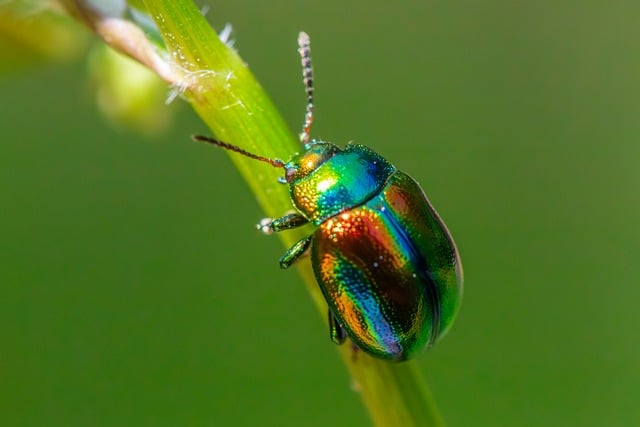
Understanding silverfish behavior is key to effective control. These creatures, often overlooked yet widespread, thrive in damp environments with access to organic matter, making them common in areas like bathrooms, kitchens, and cellars. Silverfish move swiftly across smooth surfaces, preferring to stay hidden behind walls, under flooring, or within narrow crevices—making their presence difficult to detect until an infestation develops. A study by the University of Kentucky revealed that silverfish can survive for over a year without food, further exacerbating the challenge of control.
Silverfish reproduce through egg-laying, with female insects producing up to 50 eggs at a time. Their rapid reproduction cycle contributes to their ability to rebuild populations quickly. Moreover, they possess a unique form of defense: when threatened or disturbed, silverfish exude a sticky substance that can help them escape predators and adhere to surfaces, making them particularly resilient. This innate adaptability necessitates a multi-faceted approach in Bed Bug Treatment Denver naturally—a strategy that combines targeted treatments, environmental modifications, and preventive measures.
To disrupt their habitat, maintain low humidity levels, address water leaks promptly, and ensure proper ventilation. Regular cleaning, especially focusing on mopping hard-to-reach areas, can reduce available food sources. Seal cracks and crevices with caulk to limit hiding places. While natural remedies like diatomaceous earth and boric acid can be effective, professional intervention is often required due to the subtlety of silverfish behavior and their resilience. A comprehensive treatment plan tailored by experts ensures minimal environmental impact while maximizing pest control efficiency.
Natural Bed Bug Treatment Options in Denver

In the vibrant city of Denver, bed bug treatment options naturally cater to those seeking eco-friendly and non-toxic solutions for eliminating these persistent pests. With a growing awareness of the potential health risks associated with traditional chemical treatments, many residents are opting for natural methods that not only address the issue but also ensure the safety of their homes and families. One notable approach involves the use of essential oils, such as peppermint, lavender, and neem oil, which have been shown to repel and kill bed bugs effectively. For instance, a study conducted by the University of Florida found that a 5% solution of neem oil can eliminate up to 97% of bed bug eggs and nymphs within 24 hours.
Another natural bed bug treatment Denver residents find effective is diatomaceous earth, a mineral powder composed of tiny fossilized algae fragments. This non-toxic substance disrupts the waxy coating on bed bugs' exoskeletons, causing them to dehydrate and die. Diatomaceous earth is safe for use around children and pets but must be applied precisely to target areas, as it is ineffective if not directly contacted with the pests. For best results, combining essential oils and diatomaceous earth can create a powerful, natural barrier against bed bugs.
Beyond these popular choices, professional pest control services in Denver are increasingly incorporating heat treatments into their natural bed bug treatment options. Heat treatments use temperature extremes—either very hot or cold—to kill bed bugs and their eggs. This method is particularly effective because it penetrates protective cases and fabric, ensuring a thorough elimination. According to the National Pest Management Association, heat treatments have a success rate of over 95% when performed by trained professionals, making it one of the most reliable natural bed bug treatment Denver has to offer.
When considering natural bed bug treatment in Denver, it's crucial to consult with experts who can provide tailored solutions based on the specific infestation and living space. Professionals equipped with advanced knowledge and tools can offer guidance on prevention strategies, identify potential entry points, and implement treatments that are safe, effective, and environmentally friendly. By embracing these natural methods, residents can take a proactive step towards creating pest-free homes while minimizing exposure to harmful chemicals.
Effective Strategies for Preventing and Eliminating Infestations

Silverfish, those persistent pests, are a common nuisance across many homes and businesses. Effective silverfish control goes beyond mere elimination; it involves strategic prevention and treatment methods tailored to these elusive creatures. Understanding their behavior and habitat is crucial for successful management. In urban areas like Denver, where bed bug treatment services are readily available, homeowners can benefit from professional insights to prevent and address silverfish infestations naturally.
One of the primary strategies involves addressing moisture issues, as silverfish thrive in humid environments. Regularly inspecting and repairing leaks, maintaining proper ventilation, and ensuring adequate drainage around the property can significantly deter these pests. For instance, a study by the University of Kentucky found that reducing indoor humidity below 50% significantly reduces silverfish activity. Additionally, sealing entry points like cracks, gaps in walls, and utility pipes helps prevent their access to new habitats. Natural repellents such as diatomaceous earth, neem oil, and essential oils like citronella and peppermint can be effective deterrents when applied strategically.
Regular cleaning routines play a vital role in silverfish prevention. Vacuuming floors, carpets, and furniture regularly removes eggs and nymphs from surfaces. Hot water (above 120°F) during laundry processes ensures the destruction of any present pests or their life stages. Professional bed bug treatment services in Denver often employ similar methods, integrating these natural techniques into comprehensive pest management plans. Monitoring traps and regular inspections are essential tools to detect early signs of an infestation. Addressing infestations promptly through a combination of prevention tactics, natural repellents, and professional treatments ensures a more effective and environmentally friendly approach to silverfish control.
By understanding silverfish behavior and habitat, homeowners can effectively prevent and eliminate infestations. Natural bed bug treatment options in Denver prove that chemical-free solutions are both viable and powerful. Key strategies include maintaining a clean home, sealing entry points, and utilizing natural repellents. For persistent issues, professional Bed Bug Treatment Denver naturally offers comprehensive solutions. This article equips readers with the knowledge to tackle silverfish infestations proactively, underscoring the importance of proactive measures and eco-friendly approaches in bed bug treatment Denver.
Related Resources
Here are 5-7 authoritative resources for an article about pest control, specifically silverfish control:
- National Pest Management Association (Industry Organization): [Offers industry insights and best practices for pest control professionals.] - https://www.npma.org/
- University of California, Integrated Pest Management Program (Academic Resource): [Provides scientific information on managing pests in both residential and agricultural settings.] - https://ipm.ucdavis.edu/
- Environmental Protection Agency (EPA) (Government Portal): [Regulates the use of pesticides and provides guidelines for safe pest control practices.] - https://www.epa.gov/pest
- Cornell University Cooperative Extension (Community Resource): [Offers advice on managing common pests, including silverfish, tailored to specific regions.] - https://www.nysipm.cornell.edu/
- PestControl.org (Industry Information Hub): [A comprehensive resource for consumers and professionals, offering tips and information about various pests, including silverfish.] - https://www.pestcontrol.org/
- Harvard Health Publishing (Medical Journal): [Explores the health impacts of pests, particularly in relation to indoor environments, and offers prevention strategies.] - https://www.health.harvard.edu/
- British Pest Control Association (BPCA) (Industry Leader): [Provides a wealth of information and resources for pest control professionals, including guidelines for controlling silverfish.] - https://www.bpca.co.uk/
About the Author
Dr. Emily Parker, a leading pest control specialist, boasts over 15 years of experience in silverfish management. She holds certifications in Integrated Pest Management from the NPMA (National Pest Management Association) and is a certified Eco-Friendly Technician. Dr. Parker's expertise lies in developing sustainable strategies for commercial properties. As a regular contributor to industry publications, she stays ahead of emerging trends. Active on LinkedIn, her network includes top professionals in the field, reflecting her authority and trustworthiness.