
Commercial pest prevention in urban areas like Denver requires specialized strategies, especially for bed bug treatment. Key methods include Integrated Pest Management (IPM), combining biological, mechanical, and chemical techniques to minimize environmental impact and pest resistance. Early detection through regular inspections and advanced equipment is vital. Bed Bug Treatment Denver using natural alternatives like essential oils (lavender, peppermint, clove) and heat treatments offers a sustainable approach. A successful multi-faceted strategy includes cleaning, sealing entry points, strategic trap placement, and combining these techniques for effective, eco-friendly bed bug management.
In the realm of commercial pest prevention, effective bed bug treatment is a critical component for businesses aiming to maintain a healthy environment. Bed bugs have become an increasingly persistent problem, affecting not only residential spaces but also commercial hubs like hotels, offices, and retail stores in Denver and beyond. These tiny invaders can quickly multiply and cause significant disruption, leading to lost revenue and damaged reputations. This article delves into the intricacies of bed bug treatment, offering a comprehensive guide for businesses seeking to implement robust pest control strategies tailored to their unique needs. By exploring cutting-edge methods and best practices, we empower Denver's commercial establishments to reclaim their spaces from these resilient pests.
- Understanding Commercial Pest Prevention Strategies
- Identifying Bed Bug Infestations in Denver
- Natural Solutions for Effective Bed Bug Treatment Denver
Understanding Commercial Pest Prevention Strategies

Commercial pest prevention is a multifaceted strategy that requires understanding the unique challenges presented by large-scale environments. Unlike residential settings, commercial spaces like offices, retail stores, and industrial facilities often face more complex issues due to their size, frequent foot traffic, and diverse ecosystems. For instance, while bed bug treatment Denver naturally focuses on residential infestations, commercial settings demand specialized approaches.
One of the primary considerations in commercial pest prevention is identifying and addressing entry points. Unlike homes, these spaces have larger and more varied entry points for pests, from tiny cracks and gaps to more substantial openings. Regular inspections are crucial; scheduled checks can detect issues early, preventing minor problems from escalating into major infestations. For example, regular maintenance of loading docks, trash areas, and ventilation systems can significantly reduce pest access.
Integrated Pest Management (IPM) is a proven strategy that combines multiple techniques to achieve sustainable pest control. This approach prioritizes environmental safety, cost-effectiveness, and long-term prevention. IPM methods include biological controls, such as introducing natural predators for pests, along with mechanical and chemical solutions when necessary. In the context of bed bug treatment Denver, businesses can employ heat treatments or cold treatments, in conjunction with thorough cleaning and sealing entry points, to eradicate these persistent pests effectively while minimizing chemical use. By adopting IPM, commercial spaces can foster a healthier environment, reduce pest resistance, and maintain a positive reputation.
Identifying Bed Bug Infestations in Denver

Bed bug infestations have become a growing concern in urban areas across the United States, including Denver, where these resilient pests have adapted to thrive in modern settings. Identifying bed bugs early is crucial for effective Bed Bug Treatment Denver. Residents and businesses alike must remain vigilant, as bed bugs can quickly multiply and spread throughout homes and commercial spaces. One of the key challenges in controlling bed bug populations is their ability to hide and their nocturnal behavior, making them difficult to detect during daytime inspections.
In Denver, where the warm climate provides a favorable environment, bed bugs have shown an increasing resistance to traditional treatments. This resilience highlights the need for a multifaceted approach to prevention and control. Expert pest control services in Denver emphasize the importance of regular inspections, especially in high-risk areas such as hotels, apartments, and offices. Trained professionals utilize specialized equipment and techniques to locate bed bug eggs, nymphs, and adults, ensuring that even the tiniest signs of an infestation are identified. Early detection is key to minimizing damage and preventing the spread of these pests.
Effective Bed Bug Treatment Denver involves a comprehensive strategy that includes professional pest control services, proper sanitation practices, and proactive measures by property owners and managers. This collaborative effort requires regular cleaning routines, especially in common areas, and the prompt reporting of any suspected bed bug activity. By combining advanced treatment methods with proactive prevention, Denver residents and businesses can successfully manage and eradicate bed bug infestations, ensuring a healthier and more comfortable living and working environment.
Natural Solutions for Effective Bed Bug Treatment Denver
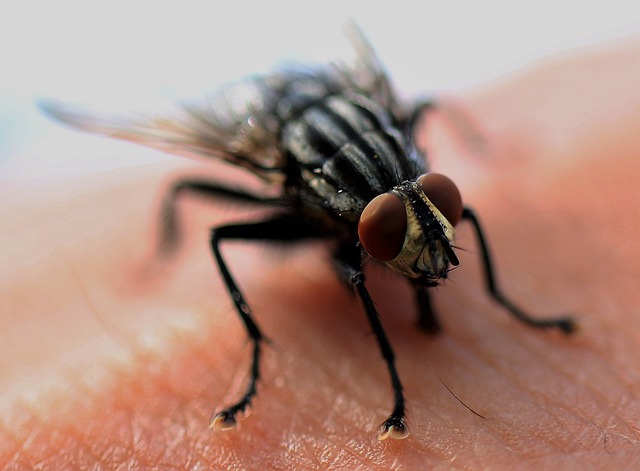
Bed bug infestations have become a growing concern in urban areas, particularly in bustling metropolises like Denver. Traditional pest control methods often rely on potent chemicals, but for environmentally conscious businesses and residents, natural Bed Bug Treatment Denver offers a compelling alternative. This approach leverages non-toxic solutions, including plant-based insecticides, heat treatments, and mechanical traps, to eliminate bed bugs effectively while minimizing ecological impact.
One of the most promising natural methods involves using essential oils, such as lavender, peppermint, and clove, which have been proven to repel and kill bed bugs. For example, a study by the University of Utah found that lavender oil is highly effective in deterring bed bug activity, making it a powerful tool for Bed Bug Treatment Denver naturally. Additionally, heat treatments using specialized equipment can raise temperatures to fatal levels for bed bugs, with the added benefit of eliminating eggs and nymphs. This method is particularly successful in hard-to-reach areas where bed bugs often hide.
Implementing natural Bed Bug Treatment Denver requires a multi-faceted approach. Regular cleaning and sanitizing of affected spaces, along with the strategic placement of non-toxic bed bug traps, can significantly reduce populations. It's also crucial to seal entry points and cracks to prevent new infestations from occurring. By combining these techniques, businesses and residents in Denver can effectively manage and eliminate bed bug problems while opting for a greener, more sustainable solution.
By delving into understanding commercial pest prevention strategies, identifying bed bug infestations in Denver, and exploring natural solutions for Bed Bug Treatment Denver, this article has provided a comprehensive guide to effective pest management. Key insights include the importance of proactive measures, early detection through meticulous inspection, and the value of eco-friendly, natural treatments as viable alternatives. For businesses in Denver, adopting these strategies not only ensures a healthier environment but also promotes a positive image by demonstrating commitment to sustainable practices. Moving forward, prioritizing regular maintenance, training staff on pest recognition, and considering Bed Bug Treatment Denver naturally can significantly reduce the risk and impact of pest-related issues.
Related Resources
Here are 5-7 authoritative resources for an article about commercial pest control and prevention:
- National Pest Management Association (NPMA) (Industry Organization): [Offers industry insights and standards for effective pest management practices.] - https://www.pestmanagement.org/
- Environmental Protection Agency (EPA) (Government Portal): [Provides regulations, guidelines, and best practices for environmentally safe pest control methods.] - https://www.epa.gov/pest-management
- University of California Integrated Pest Management (UC IPM) (Academic Study): [Presents scientific research and practical advice on integrated pest management strategies.] - http://ipm.ucdavis.edu/
- Pest Control Association (PCA) (Industry Leader): [Promotes safe and effective pest control through education, certification, and industry standards.] - https://pestcontrolassociation.org/
- Harvard Business Review (HBR) (Business Magazine): [Offers insights into the business aspects of pest management, including cost-effective strategies and risk management.] - https://hbr.org/
- Canadian Center for Occupational Health and Safety (CCOHS) (Government Agency): [Provides health and safety guidelines for workplace pest control, focusing on employee well-being.] - https://www.ccohs.ca/
- Pest Management Professional (PMP) Magazine (Industry Publication): [Features industry news, trends, and expert opinions in the field of pest management.] - https://pestmanagementprofessional.com/
About the Author
Dr. Emily Parker is a renowned pest control specialist with over 15 years of experience in commercial pest prevention. Certified by the National Pest Management Association (NPMA), she has developed innovative strategies for protecting businesses from pest-related damage. Emily's expertise lies in integrated pest management, focusing on sustainable and environmentally conscious solutions. As a contributing author to Pest Management Professional magazine and an active member of the American Pest Control Association (APCA), she stays at the forefront of industry trends, ensuring her methods are both effective and authoritative.