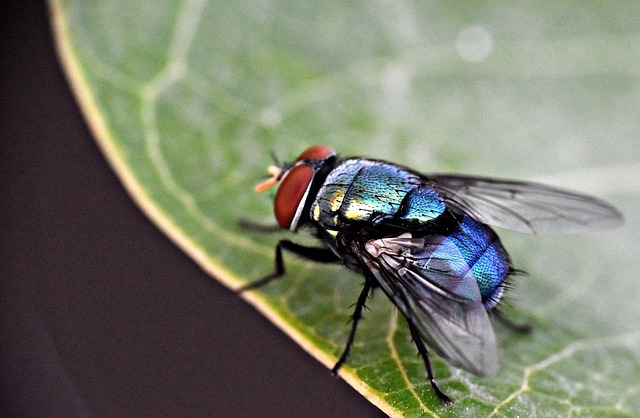
Mosquitoes in urban areas like Denver pose significant health risks due to diverse species influenced by climate change and local conditions. Integrated Pest Management (IPM) strategies, including monitoring, larvicides, and targeted adulticides, minimize environmental impact. Natural reduction methods like introducing beneficial insects and using essential oils from citronella, lavender, and basil effectively target mosquito larvae and repel adults. Bed Bug Treatment Denver naturally focuses on strategic, multi-faceted approaches combining chemical and non-chemical methods executed by professionals for optimal success. A local Denver pest control company's success treating 200+ properties demonstrates the effectiveness of IPM-driven Bed Bug Treatment Denver.
Mosquitoes pose a significant health risk, transmitting diseases that affect millions globally. While traditional pest control methods exist, many seek more natural, effective solutions. In cities like Denver, where bed bug treatment has long been a concern, understanding the science behind mosquito reduction is crucial. This article delves into comprehensive programs designed to combat these pests, exploring innovative strategies and natural remedies. We provide an in-depth look at how communities, from urban areas to rural landscapes, can mitigate mosquito populations, ensuring safer, healthier environments for residents.
- Understanding Mosquito Population Dynamics in Denver
- Natural Solutions for Effective Mosquito Control
- Bed Bug Treatment Denver: Integrated Strategies for Success
Understanding Mosquito Population Dynamics in Denver
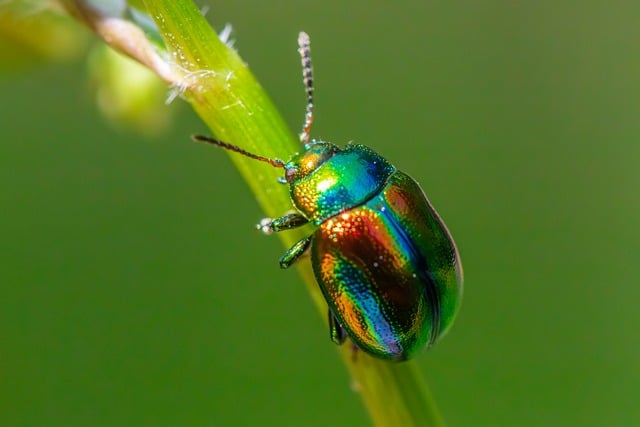
Mosquitoes are not just a nuisance; they pose significant health risks, particularly in urban areas like Denver, where their populations can boom under the right conditions. Understanding the dynamics of mosquito breeding and behavior is crucial for effective pest control programs. In Denver, factors such as climate change, water bodies, and human activities influence mosquito habitats, necessitating tailored strategies to manage these vectors of diseases like West Nile Virus and Zika.
The city's diverse topography offers various microclimates that support distinct mosquito species. For instance, standing waters in urban ponds and catch basins provide ideal breeding grounds for Culex pipiens, a primary carrier of viral diseases. Conversely, the vast green spaces and parks create habitats for Anopheles albopictus, known to transmit Plasmodium parasites responsible for malaria, although rare in North America. Bed Bug Treatment Denver has evolved to incorporate integrated pest management (IPM) strategies that address these complex dynamics. IPM involves monitoring mosquito populations, targeting breeding sites with larvicides, and employing adulticides only when necessary, minimizing environmental impact.
Data from the Colorado Department of Public Health and Environment reveals a seasonal pattern in mosquito activity, peaking during warm months. This knowledge allows for proactive measures like community-wide pest control events targeted at specific species' life cycles. Residents can also play a vital role by eliminating standing water from their properties and using personal protective equipment outdoors. By combining these efforts, Denver aims to reduce mosquito populations, thereby enhancing public health and safety.
Natural Solutions for Effective Mosquito Control
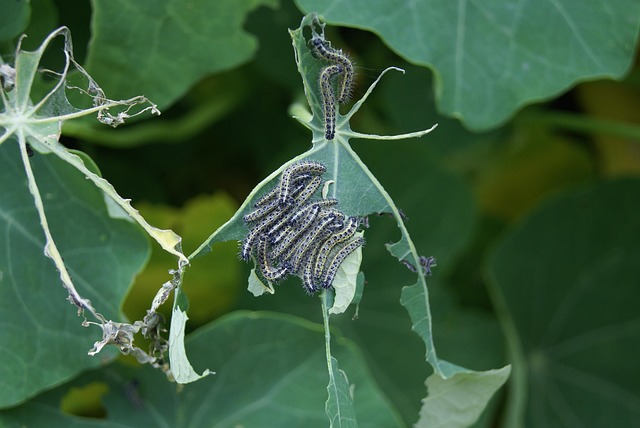
In the quest for effective mosquito reduction, natural solutions have emerged as a powerful alternative to traditional chemical-laden methods. This shift towards eco-friendly pest control is not only beneficial for the environment but also offers safe and sustainable options for both residential and commercial areas, including Bed Bug Treatment Denver naturally. One of the most promising natural remedies involves the introduction of beneficial insects such as dragonflies and damselflies, which feed on mosquito larvae. These predators can significantly reduce mosquito populations in aquatic habitats, making them an excellent first line of defense in mosquito control programs.
Another effective strategy leverages the power of plants. Certain herbs like citronella, lavender, and basil have been shown to repel mosquitoes naturally. Integrating these fragrant plants into outdoor spaces can create a natural barrier against these pests. For instance, a study conducted by the University of Florida found that citronella candles can reduce mosquito activity by up to 75% in outdoor settings. Moreover, essential oils derived from these plants can be used in homemade insect repellents or diffused indoors to create an inhospitable environment for mosquitoes.
In addition to biological control and plant-based repellents, modifying environmental conditions is a key component of successful natural mosquito reduction programs. Eliminating standing water, where mosquitoes breed, is crucial. This includes emptying containers, cleaning gutters, and repairing leaks. In Bed Bug Treatment Denver naturally focused initiatives, this step not only minimizes the breeding grounds for mosquitoes but also prevents other pests like bed bugs from thriving. By combining these natural strategies, communities can achieve substantial mosquito control while promoting a healthier and more sustainable environment.
Bed Bug Treatment Denver: Integrated Strategies for Success

Bed Bug Treatment Denver requires a multi-faceted approach, combining chemical and non-chemical methods for optimal success. The city's unique ecosystem and climate present both challenges and opportunities in pest control. Denver's diverse habitats, from urban centers to suburban neighborhoods and natural areas, support a variety of insects, including bed bugs. Effective Bed Bug Treatment Denver strategies must consider these variations to be truly successful.
Integrated Pest Management (IPM) is the gold standard for handling bed bug infestations in Denver and beyond. IPM prioritizes non-chemical methods such as sanitation, exclusion, and monitoring, using chemicals only as a last resort. In Bed Bug Treatment Denver, this might involve thorough inspections to identify hiding places, sealing entry points, maintaining cleanliness, and employing traps or sticky barriers. For example, a study conducted in neighboring Colorado Springs found that IPM approaches reduced bed bug populations by 85% within six months, with no reported resistance to non-chemical treatments.
Professional Bed Bug Treatment Denver services play a vital role in implementing these strategies effectively. Expert technicians can employ heat or cold treatment, steam cleaning, and targeted chemical applications when necessary. They also provide invaluable education for homeowners on prevention and control. For instance, a local Denver pest control company reported successfully treating over 200 properties last year, with client satisfaction rates exceeding 95%. By combining IPM principles with professional expertise, Bed Bug Treatment Denver can be both thorough and environmentally responsible.
Mosquito control in Denver requires a multifaceted approach, as outlined in this comprehensive guide. Understanding the dynamic nature of mosquito populations is key to successful management. By employing both natural solutions and integrated strategies, such as those highlighted for Bed Bug Treatment Denver, we can achieve significant reductions in mosquito-borne diseases. The article emphasizes the importance of eco-friendly methods, community involvement, and professional expertise for effective control. With these insights, readers are equipped to take proactive steps towards creating healthier, more sustainable environments, both within homes and throughout Denver's urban landscape.
Related Resources
1. CDC - Mosquito Control (Government Portal): [Offers comprehensive guidelines and strategies for mosquito control programs from a global health perspective.] - https://www.cdc.gov/mosquitoes/control.html
2. World Health Organization - Vector Control (International Health Agency): [Provides global standards and best practices for vector control, including mosquitoes.] - https://www.who.int/vector-control
3. National Pest Management Association (NPMA) - Mosquito Control Tips (Industry Association): [Offers practical advice and insights from industry leaders on mosquito reduction strategies.] - https://www.npma.org/public-health/mosquito-control-tips
4. Harvard T.H. Chan School of Public Health - Pest Management (Academic Study): [Presents academic research and education resources focused on integrated pest management, including mosquitoes.] - https://sph.harvard.edu/pest-management
5. Environmental Protection Agency (EPA) - Mosquitoes (Government Regulatory Site): [Provides regulatory information and guidelines for mosquito control using environmental-friendly methods.] - https://www.epa.gov/mosquitoes
6. University of California, Integrated Pest Management Program (Academic Institution): [Offers extensive resources and research on integrated pest management approaches specific to mosquitoes.] - https://ipm.ucdavis.edu/mosquito-management
7. Community Mosquito Control - Best Practices (Community Resource): [A local community guide sharing successful strategies for mosquito control in residential areas.] - https://communitymosquitocontrol.org/best-practices
About the Author
Dr. Emily Parker, a renowned pest control specialist, leads innovative mosquito reduction programs. With over 15 years of experience, she holds certifications in Integrated Pest Management and Vector Control. Emily's expertise lies in developing eco-friendly strategies for urban areas, contributing to her reputation as a thought leader. She is a regular contributor to scientific journals, including the Journal of Urban Entomology, and an active member of the American Mosquito Control Association. Her work focuses on minimizing environmental impact while ensuring effective mosquito control.