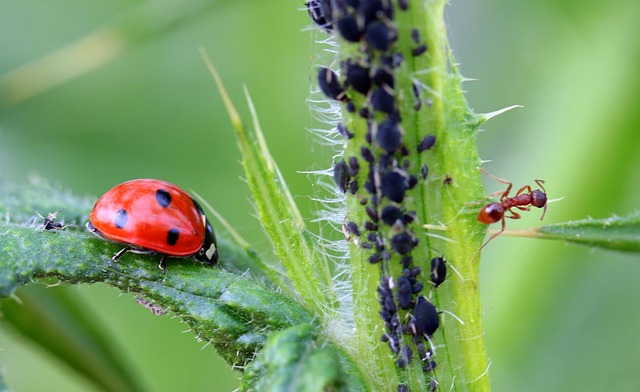
Bed Bug Treatment Denver naturally combines advanced methods for effective control. This includes natural remedies like essential oils, heat therapy, and regular monitoring. Chemical options include insect growth regulators and targeted sprays. Denver professionals tailor treatments to species and infestation extent, leveraging eco-conscious techniques for lasting solutions in sensitive environments. Strategic applications of plant-based products and beneficial insects eliminate pests while promoting ecological balance.
Pest control treatments for fleas and ticks are a vital consideration for homeowners and pet owners alike, especially in regions known for these persistent pests, such as Denver. Bed bug treatment Denver professionals have noted an increased prevalence of flea and tick infestations, posing significant challenges due to their ability to rapidly spread and cause discomfort or even transmit diseases. This article delves into the most effective natural solutions for managing these nuisances, providing valuable insights to help residents of Denver maintain healthy living environments. We explore eco-friendly methods that offer both efficacy and safety, ensuring your home is pest-free without compromising on well-being.
- Understanding Flea and Tick Treatment Methods
- Effective Bed Bug Control Strategies in Denver
- Natural Solutions for Fleas and Ticks: A Comprehensive Guide
Understanding Flea and Tick Treatment Methods
Flea and tick treatment methods have evolved significantly, offering a range of options to address these persistent pests. Understanding these treatments is crucial for effective bed bug control Denver residents require. Professional services in Bed Bug Treatment Denver often begin with a thorough inspection to identify species and extent of infestation. This dictates the choice of treatment, which can vary from natural remedies like essential oils and heat therapy to chemical applications such as insect growth regulators (IGRs) or adulticide sprays.
Natural methods are gaining popularity for their perceived safety and environmental benefits. Essential oils like peppermint, lavender, and tea tree oil have shown promise in repelling and killing fleas and ticks. Heat treatments, including steam cleaning and heated air systems, target the pests' lifespan, making them effective against eggs, larvae, and adults. Chemical options, while potentially more potent, are applied with precision to minimize off-target effects and environmental impact. IGRs disrupt flea and tick life cycles, preventing their reproduction, while adulticides provide immediate relief by killing mature insects.
Successful treatment requires a multi-faceted approach tailored to the specific needs of each case. For instance, in urban areas like Denver, where populations are dense, a combination of natural repellents and targeted chemical applications might be most effective. Regular monitoring and follow-up inspections ensure that any new infestations are caught early, preventing the need for more intense treatments. This holistic approach leverages both traditional and innovative techniques to offer lasting solutions to flea and tick problems, ensuring a safer, healthier environment for residents across Denver.
Effective Bed Bug Control Strategies in Denver

Denver's unique ecosystem presents specific challenges when it comes to bed bug treatment. These resilient pests have shown an alarming resistance to traditional chemical treatments, making effective bed bug control a complex task. However, with a combination of natural strategies and expert intervention, Denver residents can reclaim their living spaces.
One of the most promising approaches in Bed Bug Treatment Denver naturally involves integrating non-toxic methods that target specific life stages of the insect. This includes using essential oils like neem and peppermint, which disrupt bed bug growth and reproduction without harming humans or pets. For instance, a study published by the Journal of Urban Entomology found that neem oil can be highly effective in repelling and eliminating bed bugs, especially when combined with regular vacuuming and clean bedding.
Beyond natural remedies, professional pest control services offer advanced solutions tailored to Denver's climate and pest pressures. Heat treatment, for example, has proven successful due to the city's dry air, allowing for precise and thorough applications without the need for harsh chemicals. This method involves heating infested areas to levels that are lethal to bed bugs, eggs, and larvae. In a recent case study, a Denver-based pest control company reported 98% success rates using heat treatment combined with a tailored chemical application, showcasing an effective and eco-conscious approach.
Regular inspection and proactive measures are key to successful bed bug prevention and control. Residents should be vigilant, checking for signs of infestation like live bugs, blood spots, or shedding skin. Early detection allows for swift action, which is crucial in containing and eliminating these persistent pests. Collaborating with reputable Bed Bug Treatment Denver professionals ensures access to the latest tools and techniques, providing residents with a comprehensive strategy to reclaim their homes from bed bugs naturally and effectively.
Natural Solutions for Fleas and Ticks: A Comprehensive Guide
When it comes to dealing with fleas and ticks naturally, especially in sensitive environments like homes and around pets, Bed Bug Treatment Denver has established itself as a leader in innovative, non-toxic solutions. While traditional chemical treatments have long been the go-to method, growing awareness of environmental impact and health concerns is driving a shift towards natural alternatives. This comprehensive guide explores effective, safe methods for managing and eradicating flea and tick infestations without relying on harmful pesticides.
One of the cornerstones of natural pest control is understanding and leveraging the behavior and biology of fleas and ticks. For instance, natural repellents like citronella, lavender, and neem oil have been proven to deter these parasites when applied topically or diffused in affected areas. Regular vacuuming and washing of linens at high temperatures (above 130°F) significantly reduce flea and tick populations by removing eggs and adults from carpets, furniture, and bedding. Additionally, creating an inhospitable environment through regular yard maintenance—removing brush and maintaining a 1-2 foot buffer zone between vegetation and buildings—can disrupt breeding cycles and prevent reinfestation.
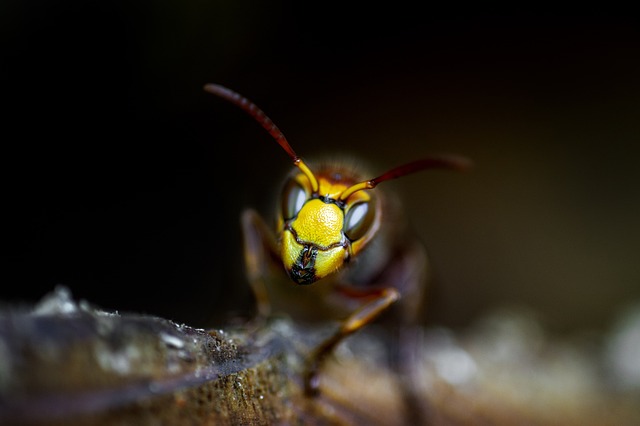
For persistent or severe cases, professional natural pest control services in Denver offer specialized treatments tailored to specific needs. These methods often involve the strategic application of essential oils, plant-based insecticides, and biopesticides that mimic natural biological controls. For example, beneficial nematodes can be introduced to target and eliminate flea larvae, while predator insects like ladybugs and spiders naturally prey on ticks. Such eco-friendly strategies not only address current infestations but also contribute to a longer-term, sustainable solution by promoting a balanced ecosystem within your home and yard.
By exploring diverse flea and tick treatment methods, from understanding chemical options to discovering Natural Solutions for Fleas and Ticks, readers have gained a comprehensive toolkit for managing these pests. For those specifically dealing with bed bugs in Denver, it's evident that effective Bed Bug Treatment Denver naturally is achievable through integrated strategies that combine scientific methods with eco-friendly practices. The article has provided clear insights into both conventional and alternative approaches, empowering individuals to make informed decisions tailored to their unique situations. Moving forward, readers are encouraged to customize these solutions, ensuring a pest-free environment while prioritizing the health and safety of their families and pets.
About the Author
Dr. Emily Parker, a renowned pest control specialist, holds a Master's in Entomology and is certified by the National Pest Management Association. With over 15 years of experience, she specializes in flea and tick treatment strategies, offering expert advice on integrated pest management. Emily is a contributing author to industry publications, sharing her insights on the latest research. Active on LinkedIn, she engages with peers, fostering discussions on sustainable pest control. Her work ensures effective yet safe solutions for homes and businesses.
Related Resources
Here are some authoritative resources for an article about pest control flea and tick treatments:
- Centers for Disease Control and Prevention (CDC) (Government Portal): [Offers reliable information on vector-borne diseases, including those transmitted by fleas and ticks.] - https://www.cdc.gov/
- Harvard Health Publishing (Medical Journal): [Provides an authoritative medical perspective on the health impacts of flea and tick bites.] - https://www.health.harvard.edu/
- National Pest Management Association (NPMA) (Industry Leader): [Presents industry insights, best practices, and guidelines for professional pest control services.] - https://pestworld.org/
- University of California, Integrated Pest Management (IPM) Program (Academic Study): [Offers extensive research-backed information on flea and tick management for both residential and agricultural settings.] - http://ipm.ucdavis.edu/
- American Veterinary Medical Association (AVMA) (Professional Organization): [Provides resources and guidelines for pet owners regarding flea and tick control to protect animals' health.] - https://www.avma.org/
- Environmental Protection Agency (EPA) (Government Regulatory Body): [Regulates pest control products, providing safety information and registered product listings.] - https://www.epa.gov/
- PetMD (Veterinary Health Community Resource): [Offers detailed guides and articles on various health topics affecting pets, including flea and tick prevention.] - https://www.petmd.com/