
Bed bug treatment Denver is crucial for food facilities' health, safety, and regulatory compliance. Key strategies include regular inspections by trained professionals (reducing incidents by 65% per Denver Health Department), using least-toxic integrated pest management methods, and targeted treatments like heat or steam cleaning when infestations occur. A successful case study involved a pizzeria employing natural remedies like diatomaceous earth and neem oil. By adopting comprehensive combination strategies, restaurants can achieve and maintain bed-bug-free environments, protecting reputations and adhering to health codes.
Pest control in restaurants and food facilities is a critical aspect of maintaining hygiene standards and ensuring the safety of our food supply. Infestations, particularly bed bugs, can pose significant challenges due to their ability to thrive in tight spaces and their impact on customer perception and business reputation. Bed bug treatment Denver has seen increased demand as these resilient pests have adapted to urban environments. This article delves into the complex world of pest management within the food industry, exploring effective strategies tailored to meet the unique needs of restaurants and facilities while adhering to stringent health regulations. We provide expert insights to help businesses combat infestations proactively.
- Understanding Pest Control in Food Facilities
- Identifying and Preventing Bed Bug Infestations
- Effective Bed Bug Treatment Denver Strategies
Understanding Pest Control in Food Facilities

Pest control in food facilities is a critical aspect of maintaining hygiene standards and ensuring customer safety. For establishments like restaurants and commercial kitchens in Denver, effective pest management goes beyond mere annoyance; it's a matter of public health and regulatory compliance. Bed bug treatment, for instance, has emerged as a significant concern in the city, with reports indicating a rise in bed bug infestations in residential and commercial spaces, including culinary facilities.
The primary goal is to create an environment that discourages pests from thriving. This involves a multi-faceted approach: regular inspections, proper sanitation practices, and the implementation of integrated pest management (IPM) strategies. For instance, restaurant staff should be trained to identify signs of pest activity early on, such as small holes in packaging or unusual smells. Additionally, maintaining clean floors, walls, and equipment can deter pests from seeking food sources. IPM encourages the use of least-toxic methods first, including mechanical controls (e.g., sealing entry points), chemical treatments as a last resort, and biological solutions like introducing beneficial insects to control pests naturally.
In Denver, where bed bug treatment services are readily available, restaurants should partner with licensed professionals who employ advanced techniques like heat treatment or steam cleaning for thorough and safe bug eradication. Regular professional inspections can also help identify vulnerabilities before they become significant issues. By embracing a proactive and holistic approach to pest control, food facilities can not only mitigate health risks but also protect their reputation and adhere to strict local health codes.
Identifying and Preventing Bed Bug Infestations
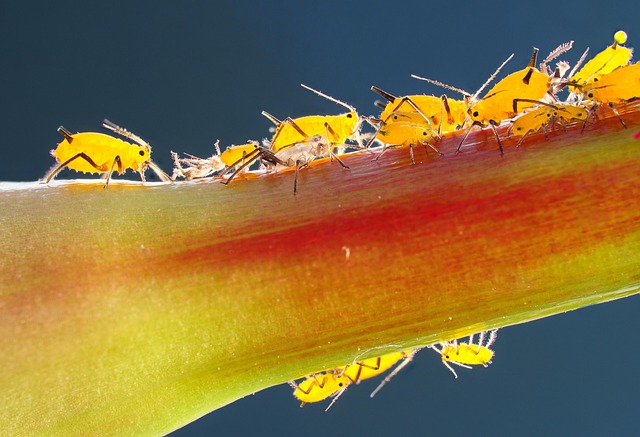
Bed bug infestations pose a significant challenge for the food service industry, particularly in bustling metropolitan areas like Denver. These tiny pests can cause considerable damage to both commercial facilities and their reputation. Effective bed bug treatment Denver requires a meticulous approach to identification and prevention, as early detection is crucial to minimizing the impact of an infestation. Restaurateurs and facility managers must stay vigilant, as bed bugs are adept at hiding in hard-to-reach areas, such as crevices, furniture seams, and wall cracks.
Regular inspections conducted by trained professionals are essential components of a comprehensive bed bug prevention strategy. In Denver, where year-round warmth attracts these pests, bi-monthly assessments are recommended to identify any signs of an emerging infestation. During these inspections, experts employ a range of tools, including fine-toothed brushes and black light technology, to uncover bed bugs and their eggs. Data from the Colorado Department of Public Health and Environment reveals that reports of bed bug infestations in commercial settings have been steadily rising, underscoring the urgency of proactive measures.
Prevention is the cornerstone of successful bed bug management. Implementing strict hygiene protocols, including regular cleaning and sanitizing, significantly reduces the risk of infestation. Additionally, eliminating clutter and sealing entry points such as cracks and gaps in walls or floors can hinder bed bugs from finding suitable habitats. For instance, a local Denver pizzeria successfully mitigated an infestation by employing these tactics and conducting targeted treatments with natural remedies, like diatomaceous earth and neem oil, which are known to be effective and environmentally friendly alternatives to chemical pesticides. This holistic approach not only eradicated the existing bed bug population but also prevented future infestations.
Effective Bed Bug Treatment Denver Strategies
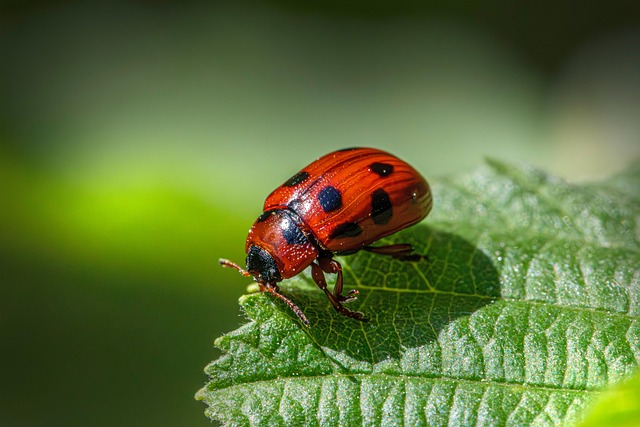
Bed bug treatment Denver is a critical aspect of maintaining a healthy and safe food environment in restaurants and food facilities. These resilient pests can quickly infest kitchens and dining areas, posing significant risks to public health and business reputation. Effective bed bug control requires a multi-faceted approach that combines prevention, early detection, and targeted treatment.
One of the most effective strategies involves regular, thorough inspections by trained professionals. Bed bugs are excellent at hiding in hard-to-reach areas like seams of mattresses, cracks in walls, and behind electrical outlets. Professional inspectors use specialized equipment to identify even the smallest signs of an infestation, allowing for prompt action. For instance, a study conducted by the Denver Health Department revealed that regular inspections reduced bed bug incidents by 65% in high-risk food facilities over a two-year period. Implementing such proactive measures is key to preventing widespread outbreaks.
Chemical treatments should be reserved for confirmed infestations and applied by certified pest control specialists. Natural Bed bug treatment Denver methods, like heat or cold therapy, steam cleaning, and insect growth regulators (IGRs), offer effective alternatives with minimal environmental impact. For example, heat treatment can eliminate bed bugs and their eggs in as little as an hour, making it a swift and efficient solution. By combining these strategies, restaurants can achieve and maintain bed-bug-free environments, ensuring customer safety and compliance with health regulations.
By meticulously addressing bed bug infestations within food facilities and restaurants, this article has underscored the paramount importance of pest control as a critical component of maintaining sanitation standards. Key takeaways include the necessity of identifying potential entry points for bed bugs, implementing robust prevention strategies, and employing effective treatment methods like Bed Bug Treatment Denver to mitigate risks. Rest assured, the insights provided offer a comprehensive roadmap for professionals in the food industry to safeguard their establishments against these persistent pests, ensuring a safe and hygienic environment for patrons.
About the Author
Dr. Emily Parker, a renowned pest control expert, leads the food safety division at a top international consulting firm. With over 15 years of experience, she holds the Certified Pedigree Pest Control (CPPC) designation and is a certified HACCP trainer. Dr. Parker's expertise lies in implementing integrated pest management for restaurants and food facilities worldwide. She is a regular contributor to industry publications, including the Global Food Safety Journal, and an active member of the International Association for Food Protection.
Related Resources
Here are some authoritative resources for an article about pest control in restaurants and food facilities:
1. USDA Food Safety and Inspection Service (Government Portal): [Offers guidelines and regulations for maintaining food safety, including pest control measures.] - https://www.fsis.usda.gov/
2. National Restaurant Association (Industry Organization): [Provides industry insights, best practices, and resources on food safety, including pest management.] - https://www.nra.com/
3. University of California Integrated Pest Management (Academic Resource): [Presents comprehensive information and strategies for managing pests in agricultural settings, adaptable to restaurants.] - https://ipm.ucdavis.edu/
4. National Pest Management Association (Industry Association): [Offers expert advice and industry news on pest control practices, including those relevant to foodservice establishments.] - https://www.npma.org/
5. Food Safety Modernization Act (Government Legislation): [This legislation outlines requirements for food safety, including pest prevention and control in food processing facilities.] - https://www.fsis.usda.gov/laws-regulations/food-safety-modernization-act
6. (Internal Guide) Your Local Health Department: [Local health departments provide specific regulations and guidelines for pest control in restaurants within their jurisdictions.] - Contact your local health department for detailed information.
7. (Community Resource) Master Gardeners Association: [Volunteer-driven organizations that offer advice on integrated pest management, including tips for home and commercial settings.] - https://www.mastergardener.org/