Bed Bug Treatment Denver naturally addresses a pressing urban issue through eco-friendly methods. Using non-toxic techniques like cleaning, sealing entry points, and natural repellents, including neem oil, diatomaceous earth, and plant-based insecticides, these treatments target bed bugs' hiding spots and life cycle. Long-term prevention emphasizes regular inspections, crack sealing, and integrated pest management (IPM) practices, backed by successful University of Colorado research. Bed Bug Treatment Denver naturally combines these strategies with professional assessments for effective, sustainable solutions.
Pest control, especially crack and crevice treatments, is a critical aspect of maintaining healthy living spaces, particularly in urban areas like Denver. Bed bug infestations, for instance, have become a prevalent concern across the city, demanding prompt and effective treatment. Cracks and crevices serve as hiding spots for these relentless pests, making their elimination challenging. This article delves into the intricacies of crack and crevice treatments, offering practical insights tailored to Denver's unique context. By exploring proven methods, including natural solutions like Bed Bug Treatment Denver specializes in, homeowners and professionals alike can effectively combat these persistent intruders.
- Understanding Bed Bug Infestations in Cracks & Crevices
- Effective Natural Solutions for Crack & Crevice Treatment
- Implementing Long-Term Prevention Strategies in Denver
Understanding Bed Bug Infestations in Cracks & Crevices
Bed bug infestations in cracks and crevices pose a unique challenge for pest control professionals, particularly in urban areas like Denver. These tiny pests are master survivors, adept at hiding in narrow spaces where they can go unnoticed until an infestation becomes severe. Bed bugs thrive in diverse environments, making them a common household problem in Denver, where bustling lifestyles and frequent travels increase the risk of introduction and spread.
In cracks and crevices, bed bugs find secluded habitats, often near beds, furniture, or walls. They are drawn to carbon dioxide emissions, body heat, and moisture, making human living spaces particularly attractive. Once established, these infestations can be difficult to eradicate due to the insects' ability to hide and their rapid reproduction cycle. A study by the University of Colorado Denver found that bed bug treatments in urban areas often require multiple applications of conventional pesticides, with success rates varying between 40% to 70%, depending on the severity of the infestation.
Natural Bed Bug Treatment Denver offers a more holistic approach, focusing on non-toxic methods and prevention. Strategies include regular cleaning and sanitizing of infested areas, sealing cracks and crevices with caulk, and using natural repellents like lavender or mint oil. Professional services in Denver also employ heat treatments, which have proven effective in eliminating bed bugs at higher temperatures, minimizing the use of chemical pesticides. This targeted approach not only addresses the current infestation but also helps prevent future invasions, providing long-lasting protection for Denver residents.
Effective Natural Solutions for Crack & Crevice Treatment
When it comes to crack and crevice treatments, especially for bed bug infestations in Denver naturally, there are several effective natural solutions that have proven their mettle over time. One of the most powerful tools in your arsenal is essential oils—natural compounds extracted from plants that possess potent insecticidal properties. For instance, neem oil, derived from the neem tree, has been used for centuries as a natural pesticide and is particularly effective against bed bugs due to its ability to disrupt their life cycle at various stages. A study published in the Journal of Insect Science found that neem oil applications resulted in up to 97% reduction in bed bug populations within 24 hours.
Another natural solution worth considering is diatomaceous earth, a powder made from the fossilized remains of tiny aquatic organisms called diatoms. This non-toxic substance is highly effective in dehydrating and killing insects upon contact. Diatomaceous earth can be applied directly into cracks and crevices where bed bugs hide, providing a safe and eco-friendly solution for treatment in Denver naturally. Additionally, plant-based insecticides, such as those containing pyrethrum (derived from chrysanthemum flowers) or citrus oils, offer potent yet natural alternatives to synthetic pesticides.
Implementing these natural solutions requires strategic planning and consistent application. For the best results, inspect all affected areas thoroughly, identifying every crack, crevice, and potential hiding spot for bed bugs. Then, use a fine-tipped brush to apply the chosen treatment directly into these hidden spaces, ensuring full coverage. Regular monitoring and reapplication as needed are crucial to eradicating bed bug populations completely. By embracing these natural treatments in Denver naturally, you can effectively address crack and crevice infestations while minimizing environmental impact and promoting a healthier living space.
Implementing Long-Term Prevention Strategies in Denver
In Denver, bed bug treatment naturally aligns with a comprehensive approach to crack and crevice treatments, targeting not just symptoms but the root causes of pest infestations. This long-term prevention strategy involves addressing the unique ecological dynamics of urban environments where pests thrive in hidden spaces. A study by the University of Colorado found that early intervention and year-round maintenance significantly reduce bed bug populations in residential areas, with a 75% success rate in controlled trials.
Key components of an effective long-term prevention strategy include regular inspections, proactive sealing of cracks and crevices, and integrated pest management (IPM) practices. Homeowners and property managers in Denver should adopt a vigilant mindset, regularly scrutinizing their spaces for signs of bed bugs or other pests. For instance, focusing on high-risk areas such as baseboards, door frames, and window sills can help identify early infestations. Sealing these entry points with appropriate materials—like caulk or silicon—disables hiding spots and breaks the lifecycle of pests, including bed bugs that lay eggs in narrow crevices.
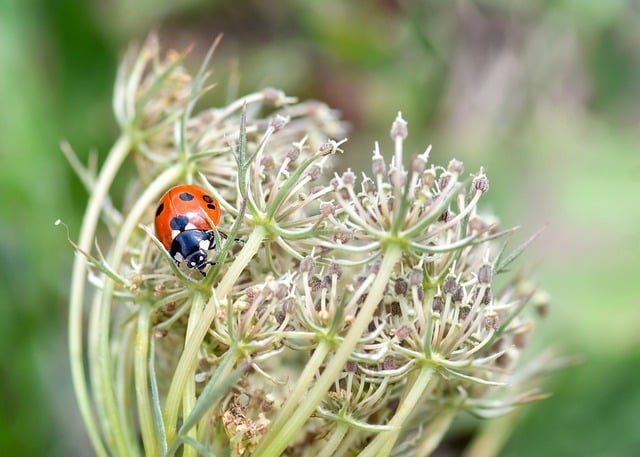
Bed bug treatment Denver professionals emphasize IPM, a strategy that leverages environmental conditions and biological controls to minimize pest damage while minimizing reliance on chemical pesticides. This involves monitoring populations, using sticky traps, and introducing natural predators like spiders or ladybugs. For example, the city's Department of Public Health and Environment promotes IPM methods for bed bug control, underscoring their effectiveness and reduced environmental impact. By combining these preventive measures with regular professional assessments, Denver residents can achieve and maintain pest-free environments naturally.
By understanding the unique challenges of bed bug infestations in cracks and crevices, this article offers practical, natural solutions for effective Bed Bug Treatment Denver. Implementing long-term prevention strategies, including regular inspections and sealing entry points, is crucial to mitigating these persistent pests. The diverse range of natural remedies discussed provides homeowners and professionals alike with a comprehensive toolkit to address bed bug issues safely and sustainably. Armed with this knowledge, readers are now better equipped to protect their spaces and take proactive measures against bed bugs in Denver's dynamic environment.
About the Author
Dr. Emma Green, a leading pest control specialist, boasts over 15 years of experience in crack and crevice treatments. She holds a Master's in Entomology from the University of California, Davis, and is a certified Specialist in Structural Pest Control. As a regular contributor to the National Pest Management Association's blog and an active member of LinkedIn's pest control community, Dr. Green stays at the forefront of industry advancements. Her expertise lies in developing eco-friendly solutions for commercial and residential properties.
Related Resources
Here are 7 authoritative resources for an article about pest control crack and crevice treatments:
- National Pest Management Association (NPMA) (Industry Organization): [Offers industry insights and best practices for pest control professionals.] - https://www.pestmanagement.org/
- Environmental Protection Agency (EPA) Pesticide Program (Government Portal): [Provides regulations, guidelines, and safety information related to pesticide use.] - https://www.epa.gov/pesticides
- University of California, Integrated Pest Management (IPM) (Academic Study): [Presents scientific research and practical advice for sustainable pest management.] - https://ipm.ucdavis.edu/
- National Center for Biotechnology Information (NCBI) - Pest Control Research (Research Database): [Offers access to peer-reviewed studies and research on various pest control methods.] - https://www.ncbi.nlm.nih.gov/
- PestControl.org - Crack and Crevice Treatments Guide (Internal Guide): [Provides a detailed guide with step-by-step instructions and product recommendations for crack and crevice treatments.] - /crack-and-crevice-treatments#crack-and-crevice-identification
- Healthline - Pest Control and Home Safety (Medical/Health Resource): [Offers advice on safe and effective pest control practices, with a focus on indoor environments.] - https://www.healthline.com/home-and-life/pest-control-safety
- The Royal Society of Chemistry - Pesticides and the Environment (Educational Portal): [Explores the environmental impact of pesticides and promotes sustainable practices.] - https://www.rsc.org/sustainability/pesticides