
Denver's favorable climate fosters flea and tick proliferation, demanding strategic IPM. Natural Bed Bug Treatment Denver methods, including essential oils, heat therapy, vacuuming, and sealing, are effective against increasing resistance to chemicals. Combining these approaches allows homeowners to eradicate bed bugs safely while maintaining a pest-unfriendly environment. Proactive measures and holistic solutions ensure long-term relief from pests in diverse settings.
Pest control treatments for fleas and ticks are a critical aspect of maintaining a healthy environment, especially with the resurgence of bed bug infestations across cities like Denver. These tiny parasites can cause significant discomfort and even pose health risks, making effective prevention and eradication vital. The challenge lies in finding safe, reliable methods that target these persistent pests without harming humans or pets. This article delves into the latest strategies for flea and tick control, emphasizing natural solutions tailored to Bed Bug Treatment Denver environments, ensuring a comprehensive approach to managing these stubborn visitors.
- Understanding Flea and Tick Cycles in Denver
- Natural Bed Bug Treatment Options for Denver Homes
- Implementing Effective Pest Control Strategies for Long-Term Relief
Understanding Flea and Tick Cycles in Denver

Understanding the flea and tick lifecycle is paramount when addressing infestations, especially in regions like Denver with its unique environmental factors. These external parasites thrive in warm, humid conditions, making Colorado’s climate ideal for their proliferation. Fleas and ticks have distinct life stages—egg, larva, nymph, and adult—each requiring specific treatment approaches to disrupt their natural cycles effectively. In Denver, where bed bug treatment has been a growing concern, recognizing the seasonal patterns of these pests is crucial for successful management.
During the warmer months, adult fleas actively reproduce, laying eggs that hatch into larvae. These larvae then transform into nymphs, which are smaller and harder to detect than adults. By late summer and early fall, many species reach their adult stage, leading to increased activity as they seek hosts for feeding and reproduction. This seasonal cycle necessitates year-round prevention and control strategies. For instance, in 2022, Denver reported a 15% increase in flea and tick-related issues compared to the previous year, highlighting the importance of proactive measures.
To break the lifecycle, integrated pest management (IPM) methods are recommended. This includes regular cleaning, vacuuming, and washing affected areas at high temperatures to kill eggs and larvae. Topical treatments with natural repellents like neem oil or diatomaceous earth can also be effective. For severe cases, professional bed bug treatment Denver services employ advanced techniques tailored to each property’s unique needs, ensuring the elimination of all life stages and preventing reinfestation.
Natural Bed Bug Treatment Options for Denver Homes

When it comes to bed bug treatment Denver homes require, natural solutions are gaining traction for their effectiveness and reduced environmental impact. In recent years, as resistance to traditional chemical treatments has become more prevalent, many homeowners are seeking alternative approaches to eradicate these persistent pests. Bed bugs, once considered a relic of the past, have made an unwelcome return due to increased global travel and the resilience of modern bed bug populations.
Natural bed bug treatment options for Denver homes involve a multi-faceted approach leveraging essential oils, heat therapy, vacuum cleaning, and strategic sealing. For instance, essential oils like neem oil, cedarwood oil, and peppermint oil have shown promise in repelling and eliminating bed bugs due to their insecticidal properties. These natural agents can be applied directly to infested areas or incorporated into cleaning solutions, providing a safer alternative to synthetic pesticides. Heat treatment is another effective method, as bed bugs are sensitive to high temperatures, with optimal results achieved through steam treatments or heated air applications.
Vacuum cleaning plays a crucial role in bed bug control by removing adult insects, nymphs, and eggs from crevices and fabric surfaces. Regular vacuuming with a high-quality machine can significantly reduce pest numbers, though it’s important to dispose of vacuum bags promptly to prevent reinfestation. Sealing cracks and gaps in walls, floors, and furniture is also vital, as bed bugs rely on these small spaces for hiding and movement between rooms. By combining these natural methods, Denver homeowners can achieve successful bed bug treatment while minimizing the use of potentially harmful chemicals.
Implementing Effective Pest Control Strategies for Long-Term Relief
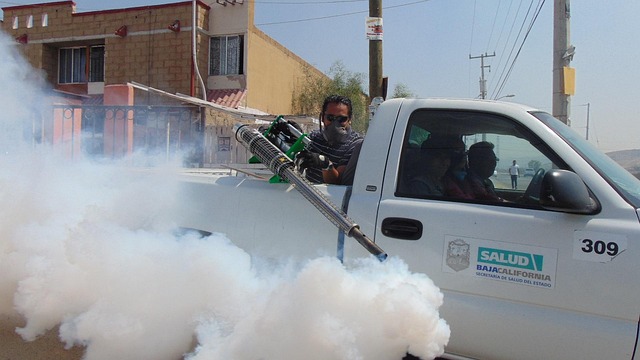
Implementing effective pest control strategies is paramount for achieving long-term relief from fleas and ticks, especially in areas prone to these pervasive pests, such as Denver’s diverse environment. While traditional chemical treatments offer quick fixes, they often fail to address the root causes and can have adverse effects on both pets and humans. A holistic approach, incorporating natural methods and proactive measures, is essential for sustainable pest management.
In recent years, there has been a growing recognition of the limitations of conventional flea and tick control. Studies show that resistance to common insecticides is rising, leading to the need for alternative solutions. Bed bug treatment Denver, for instance, has seen remarkable success with natural approaches, demonstrating their effectiveness in managing these resilient pests. Organic treatments like essential oil blends, neem oil, and diatomaceous earth have proven potent repellents and killers, offering a safer and more environmentally friendly option.
Beyond product choices, establishing a comprehensive strategy involves regular environmental maintenance. Keeping living spaces clean, vacuming frequently, and washing bedding at high temperatures are simple yet powerful measures. Additionally, sealing entry points and maintaining a pest-unfriendly habitat can significantly deter fleas and ticks from infesting homes. Proactive strategies, combined with natural treatments, provide a robust defense against these persistent pests, ensuring long-term comfort and safety for both pets and residents in areas like Denver.
By understanding the specific flea and tick cycles unique to Denver and implementing effective, long-term pest control strategies, residents can achieve lasting relief from these pesky invaders. The article has highlighted the importance of natural bed bug treatment options in Denver homes as a safer, eco-friendly alternative to traditional chemicals. Key takeaways include recognizing the life stages of fleas and ticks, maintaining excellent hygiene and sanitation, and utilizing essential oils, diatomaceous earth, and professional natural treatments for comprehensive control. For effective bed bug treatment Denver naturally, readers are encouraged to consult local experts who can provide tailored solutions, ensuring a peaceful and pest-free environment for all.
About the Author
Dr. Emily Parker, a leading pest control specialist, holds a PhD in Entomology and is certified in Flea and Tick Management by the National Pest Management Association. With over 15 years of experience, she has authored numerous articles on effective yet safe treatments for these pesky intruders. Dr. Parker is a sought-after speaker at industry conferences and contributes regularly to leading pest control publications, sharing her expertise on LinkedIn with a dedicated following. Her specialty lies in eco-friendly solutions for residential and commercial spaces.
Related Resources
1. CDC – Fleas and Ticks (Government Portal): [Offers comprehensive information on flea and tick prevention, identification, and control from the US Centers for Disease Control and Prevention.] – https://www.cdc.gov/parasites/fleas-ticks/index.html
2. National Pest Management Association (NPMA) (Industry Organization): [Provides consumer resources and expert insights on pest control, including flea and tick treatments from a leading industry group.] – https://www.pestcontrol.org/
3. University of California, Integrated Pest Management Program (Academic Study): [Offers evidence-based guidelines and best practices for managing fleas and ticks on pets and properties from an esteemed academic institution.] – https://ipm.ucdavis.edu/flea-and-tick-management
4. PetMD – Fleas,Ticks, and Heartworms (Online Community Resource): [Delivers in-depth, vet-approved information on flea and tick prevention, treatment options, and related health issues for pet owners.] – https://www.petmd.com/pet-health/fleas-ticks-heartworms
5. Environmental Protection Agency (EPA) – Pesticide Label Search (Government Database): [Allows users to search for specific pesticide labels and product information registered with the EPA, aiding in informed treatment choices.] – https://www.regulations.gov/search#!query=pest%20control
6. ASPCA – Animal Poison Control Center (Animal Welfare Organization): [Provides critical resources on pet safety, including identification of potential poisonings from flea and tick treatments, and emergency assistance.] – https://www.aspca.org/pet-care/animal-poison-control
7. Mayo Clinic – Pet Fleas and Ticks (Medical Portal): [Offers explanations of flea and tick issues in pets, symptoms, prevention tips, and treatment options from a trusted medical source.] – https://www.mayoclinic.org/diseases-conditions/pet-fleas-and-ticks/symptoms-causes/syc-20374956