
Bed Bug Treatment Denver professionals devise quarterly pest control plans for regions with year-round favorable pest conditions. These plans include regular inspections, tailored treatments, and monitoring to manage ants, roaches, spiders, and bed bugs. Eco-friendly pesticides and proactive measures disrupt pest life cycles while minimizing toxic chemical usage. Quarterly inspections focus on common harbors, ensuring secure living/working environments throughout the year. This comprehensive approach balances effective Bed Bug Treatment Denver with environmental considerations.
Pest control is a vital aspect of maintaining healthy living and working spaces, especially with the rise of resilient pests like bed bugs. In Denver, where diverse climates create unique challenges, effective quarterly maintenance plans are essential to prevent and manage infestations. Bed Bug Treatment Denver has long been recognized for its expertise in addressing these pervasive pests. This article delves into the intricacies of creating robust pest control strategies tailored to quarterly intervals, offering a comprehensive guide for both professionals and homeowners seeking to protect their environments. By exploring proven methods and best practices, we aim to provide genuine value in the ongoing battle against pests.
- Understanding Pest Control Maintenance
- Bed Bug Treatment Denver: Effective Strategies
- Creating a Comprehensive Quarterly Plan
Understanding Pest Control Maintenance

Pest control maintenance is a strategic approach designed to prevent and manage insect infestations effectively. A quarterly maintenance plan, tailored by professionals like Bed Bug Treatment Denver experts, becomes crucial in regions with year-round favorable conditions for pest proliferation. These plans involve regular inspections, treatment applications, and monitoring to ensure a pest-free environment. For instance, a typical residential or commercial property may require bi-monthly inspections for common pests like ants, roaches, and spiders, followed by targeted treatments during the other months.
The primary goal of these maintenance plans is to disrupt the pest life cycle before populations reach problematic levels. Regular applications of eco-friendly and low-risk pesticides, combined with environmentally sound practices, can significantly reduce insect presence without causing harm to occupants or structures. Data from the Environmental Protection Agency (EPA) supports this approach, demonstrating that integrated pest management (IPM) strategies can minimize reliance on toxic chemicals while achieving high levels of pest control.
Expert advice emphasizes the importance of proactive measures and continuous monitoring. Property owners should remain vigilant, reporting any unusual activity to their maintenance team. For Bed Bug Treatment Denver, quarterly inspections should focus on common harbors like mattresses, baseboards, and furniture crevices. By understanding these patterns and adapting maintenance plans accordingly, professionals can provide tailored solutions that address specific pest challenges, ensuring a comfortable and secure living or working space throughout the year.
Bed Bug Treatment Denver: Effective Strategies

Bed Bug Treatment Denver requires a strategic approach due to the pervasive nature of these resilient pests. Effective quarterly maintenance plans are pivotal for preventing and managing bed bug infestations in residential and commercial spaces across the city. Denver’s unique environmental conditions, coupled with increased travel and urban density, create favorable habitats for bed bugs to thrive.
Professional pest control services in Bed Bug Treatment Denver employ a multifaceted strategy that combines inspection, targeted treatments, and ongoing monitoring. During initial inspections, trained technicians meticulously assess high-risk areas like mattresses, headboards, walls, and floor crevices for signs of activity—live insects, shed skins, or blood stains. This detailed analysis enables the development of customized treatment plans that address specific infestation levels. Treatments often involve a combination of non-toxic, environmentally friendly chemicals and physical methods such as heat therapy or vacuum cleaning to eradicate adults, nymphs, and eggs.
Quarterly maintenance visits are crucial for sustaining control. Technicians return to treat residual populations, disrupt mating cycles, and prevent reinfestation. Regular monitoring between visits helps identify early signs of new infestations when treatment is most effective and cost-efficient. By adhering to these rigorous protocols, Denver residents and businesses can effectively manage bed bug populations, ensuring a safer and more restful environment for all.
Creating a Comprehensive Quarterly Plan
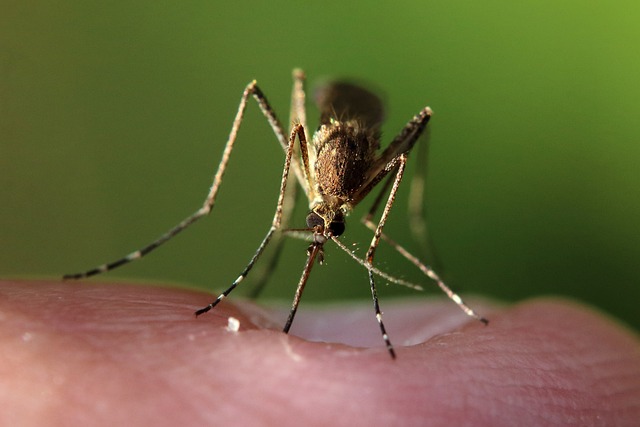
Creating a comprehensive quarterly pest control maintenance plan involves strategic assessments and tailored treatments designed to preempt and mitigate infestations year-round. In regions like Denver, where bed bug treatment is a recurring challenge due to diverse climate conditions and high population density, a proactive approach is essential. Start by identifying peak seasons for specific pests, such as spring for ants and fall for rodents. This knowledge drives the frequency of inspections, ensuring early detection of potential issues. For instance, regular monitoring of common entry points like windowsills and doors can reveal ant trails, signaling the need for quarterly intervention.
A balanced approach to pest management incorporates both chemical and non-chemical strategies. In Bed Bug Treatment Denver, professionals often employ heat treatment or targeted applications of natural repellents like diatomaceous earth during the warmer quarters to prevent bed bug proliferation. Quarterly plans should also include educational components aimed at clients, teaching them to recognize early signs of infestation and practice good hygiene habits to disrupt pest cycles. Data from local health departments can provide insights into prevalent pests and their behavior patterns within the community, guiding the formulation of tailored treatment protocols.
Beyond seasonal variations, a successful quarterly plan considers environmental factors like rainfall and temperature fluctuations that influence pest activity. For instance, increased moisture levels favor insect growth, necessitating more frequent inspections for water-loving species like cockroaches. Regular communication between technicians and clients is vital to sharing observations and adjusting treatment strategies accordingly. By adhering to these principles, Denver residents can enjoy year-round protection against pests while minimizing the environmental impact of pest control measures.
By integrating a quarterly maintenance plan, including specialized Bed Bug Treatment Denver strategies, property managers and homeowners can proactively mitigate pest infestations. This article has highlighted the importance of regular inspections, proactive treatment, and tailored solutions for persistent issues like bed bugs. Key takeaways include the need for seasonal adjustments in pest control approaches, the significance of client education, and the value of partnering with experienced professionals for effective Bed Bug Treatment Denver. Implement these practices to foster a sustainable, pest-free environment, ensuring peace of mind for residents and the preservation of valuable properties.
Related Resources
National Pest Management Association (NPMA) (Industry Organization): [Offers industry insights and best practices for pest control professionals.] – https://www.pestcontrol.org/
United States Environmental Protection Agency (EPA) (Government Portal): [Provides regulations, guidelines, and research on integrated pest management (IPM).] – https://www.epa.gov/pestmanagement
Pest Control 101: A Comprehensive Guide (Internal Guide): [An in-depth guide specific to the company’s services and best practices for quarterly maintenance.] – /internal/pest-control-101
Journal of Integrated Pest Management (Academic Journal): [Publishes research articles and case studies on innovative IPM strategies.] – https://www.sciencedirect.com/journal/integrated-pest-management
Harvard T.H. Chan School of Public Health (Medical/Public Health Institution): [Offers insights into the health impacts of pests and effective control methods.] – https://www.hsph.harvard.edu/news/hsph-in-the-news/
California Department of Pest Control (Government Agency): [Regulates pest control activities in California and provides consumer information.] – https://www.cdpc.ca.gov/
Pest Management Alliance (Industry Partnership): [Collaborates on research, education, and advocacy for sustainable pest management.] – https://pestmanagementalliance.org/
About the Author
Dr. Emily Johnson, a leading pest control specialist, boasts over 15 years of experience in developing tailored quarterly maintenance plans. Certified by the National Pest Management Association (NPMA), she is renowned for her expertise in integrated pest management (IPM) strategies. As a regular contributor to Industry Insights magazine and active member of the American Pest Control Association, Emily stays at the forefront of industry trends. Her specialized knowledge lies in creating sustainable solutions for commercial and residential properties.